


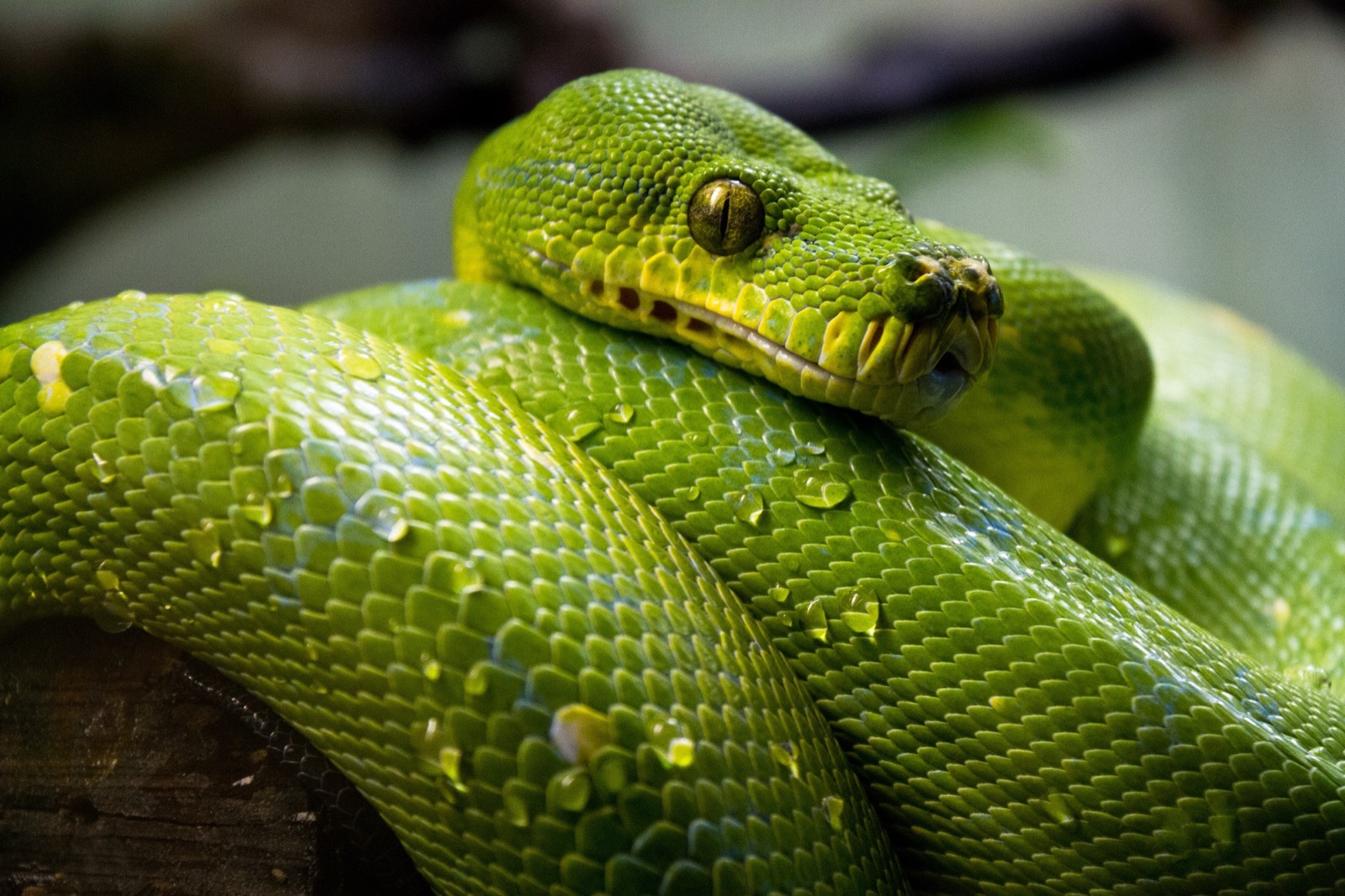
The idea of a snake falling from a tree can be quite startling, and it's a question many people ponder when venturing into areas where tree-dwelling snakes are present. While it's not a common occurrence, the simple answer is yes, snakes can indeed fall out of trees. However, it's crucial to understand that these incidents are almost always accidental, a result of environmental factors or a loss of grip, rather than a deliberate act of aggression towards anything below.
Snakes are remarkably adept climbers, and arboreal species, in particular, possess specialized adaptations that allow them to navigate branches with incredible dexterity. Their ventral scales, which are wider than the dorsal scales, provide excellent traction, gripping rough bark and uneven surfaces. Combined with powerful, undulating muscle contractions, these scales enable snakes to secure themselves firmly, even on thin branches or while reaching for new footholds. For most snakes, falling is a rare event because their survival depends on their ability to maintain a secure position high above the ground, away from many terrestrial predators.
Despite their impressive climbing abilities, several factors can lead to a snake losing its grip. Extreme weather conditions, such as strong winds or heavy rain, can make surfaces slippery and dislodge a snake. A sudden, violent struggle with prey, or even an evasive maneuver when startled by a predator, might cause an otherwise secure snake to tumble. Young or inexperienced snakes might also be more prone to misjudging their grip or balance. While seemingly rare, these situations highlight that even the most agile tree-climbers are not entirely immune to gravity's pull.
Fortunately, a snake falling from a tree and landing on a person is an exceedingly rare event. Snakes are not seeking to interact with humans, and their primary goal when disturbed is usually to escape and find cover, not to engage in confrontation. If a snake does fall, it is typically disoriented and will quickly attempt to move away. The vast majority of arboreal snake encounters result in the snake remaining in the tree or retreating further into the foliage, making direct impact a highly improbable outcome.
To minimize any potential risk, simple precautions are effective. When walking through wooded areas, especially where you know tree snakes might be present, it's always wise to be aware of your surroundings and look up occasionally. Avoid lingering directly under branches where you've spotted a snake. Most importantly, never attempt to disturb, poke, or provoke a snake in a tree. Giving wildlife ample space is the best way to ensure both your safety and the snake's well-being.
The myth of snakes 'dropping' onto people as a hunting strategy or an act of aggression is unfounded. Snakes primarily hunt by ambush or active foraging, and falling from a tree is an inefficient and risky way to catch prey, potentially injuring the snake itself. Any fall is an accident from the snake's perspective, and it will be as keen to get away from you as you are from it. Understanding their natural behaviors helps us appreciate these fascinating creatures without succumbing to exaggerated fears.
If you encounter a snake in a tree or anywhere else and are concerned about its presence or need to identify it, remember to always maintain a safe distance. A clear photograph taken from afar allows SerpentID to compare its markings against likely local species, helping you determine if it's venomous. If you suspect it's a dangerous species or if it poses an immediate threat, contact local wildlife services or a professional snake handler for safe removal, rather than attempting to handle the situation yourself.