


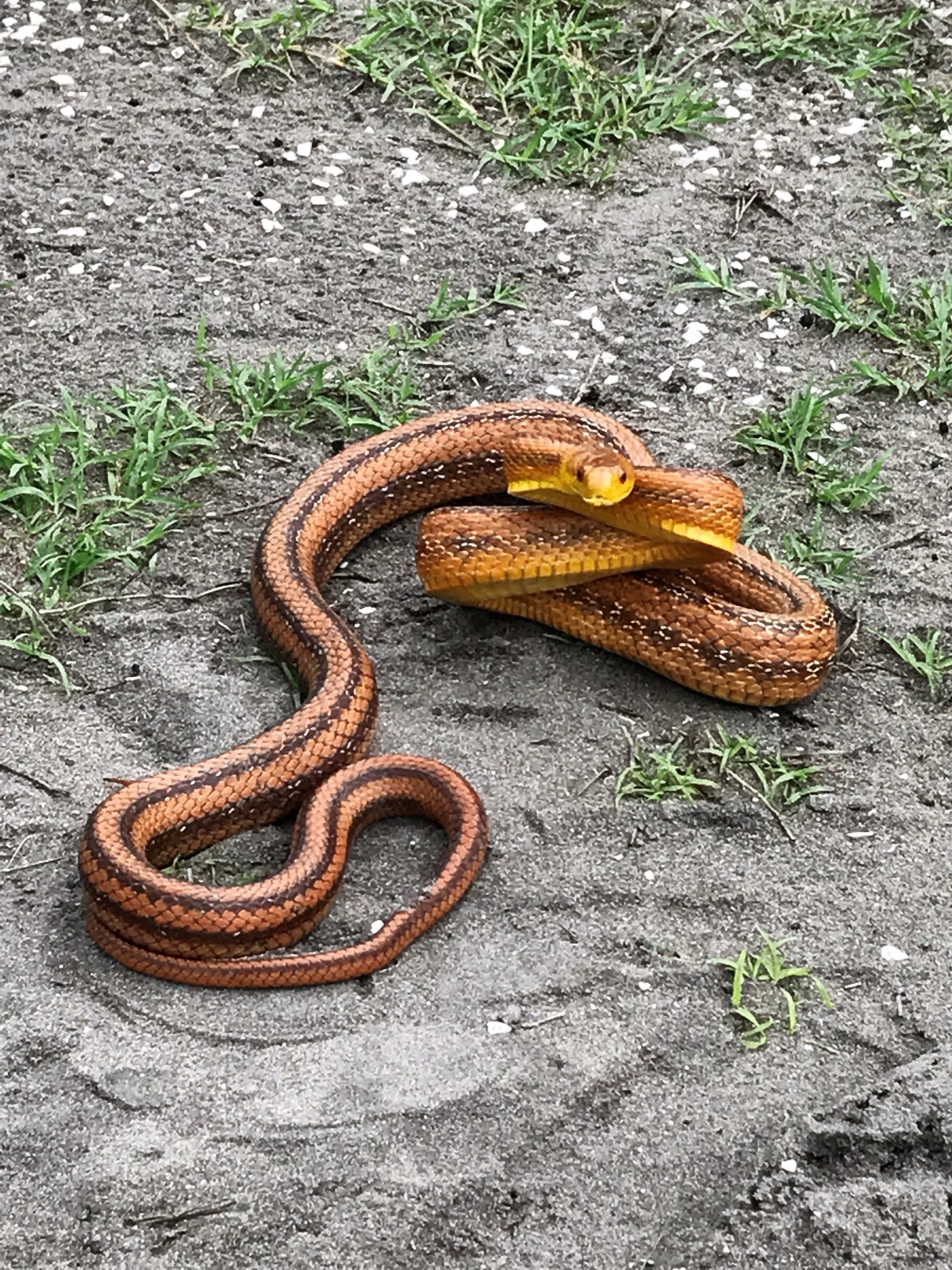
Homeowners are often startled to find a snake resting high on a porch wall, slithering near an upper-story window, or disappearing into an attic vent along a brick facade. The idea that a legless animal can scale a vertical brick wall seems almost impossible at first glance, leading many to believe that high foundation walls act as a natural barrier. In reality, brick walls present surprisingly little challenge to semi-arboreal and agile snake species.
The secret to a snake's vertical mobility lies in the micro-texture of the wall and the specialized design of the snake's belly scales. Standard brickwork is filled with tiny imperfections, pitted surfaces, and pronounced mortar channels. Climbing snakes, such as rat snakes, corn snakes, and black racers, use a movement pattern called muscular wedging or concertina locomotion. By pressing the stiff, sharp edges of their wide ventral belly scales into slight overhangs or rough spots in the mortar, they create tiny anchor points that support their body weight.
Once an anchor point is established, the snake pushes forward and extends its upper body upward to locate the next rough patch or mortar lip. Some species possess keeled belly scales, which feature a distinct ridge down the center of each scale or angled side edges that function almost like tiny climbing cleats. On a standard exterior brick wall with recessed mortar lines, these anatomical features allow a snake to move vertically with surprising speed and precision, using horizontal mortar seams as a ladder.
However, snakes do have clear mechanical limitations when it comes to vertical surfaces. They cannot adhere to smooth, non-porous surfaces like polished glass, untextured plastic, or clean sheet metal because these materials offer no physical projections for their scales to catch. If a brick wall is coated in a glossy, slick paint or if the mortar joints are flush and completely smooth, a snake will struggle to gain any upward momentum. The height a snake can climb also depends on its overall body strength and length, as longer constrictors can bridge wider gaps between secure holds.
If you notice a snake navigating a brick wall or elevated ledge around your home, it is almost always hunting for rodents, bird nests, or shelter. Eliminating elevated attractants—such as trimming tree branches away from the roofline and sealing gaps around air vents, plumbing penetrations, and soffits—is the most effective way to prevent snakes from utilizing your exterior walls. Securing these entry points keeps wildlife outside while allowing harmless native species to perform natural pest control around the yard.
Whenever you encounter a snake climbing a wall or resting near an entry point, it is safest to give the animal space and avoid touching or harassing it. Taking a clear photograph from a safe distance allows you to use SerpentID to quickly compare its markings against common local species and confirm whether it poses any danger. If the snake turns out to be a venomous species or is trapped in a dangerous location inside your living space, contacting local wildlife control services ensures a safe, professional relocation.