


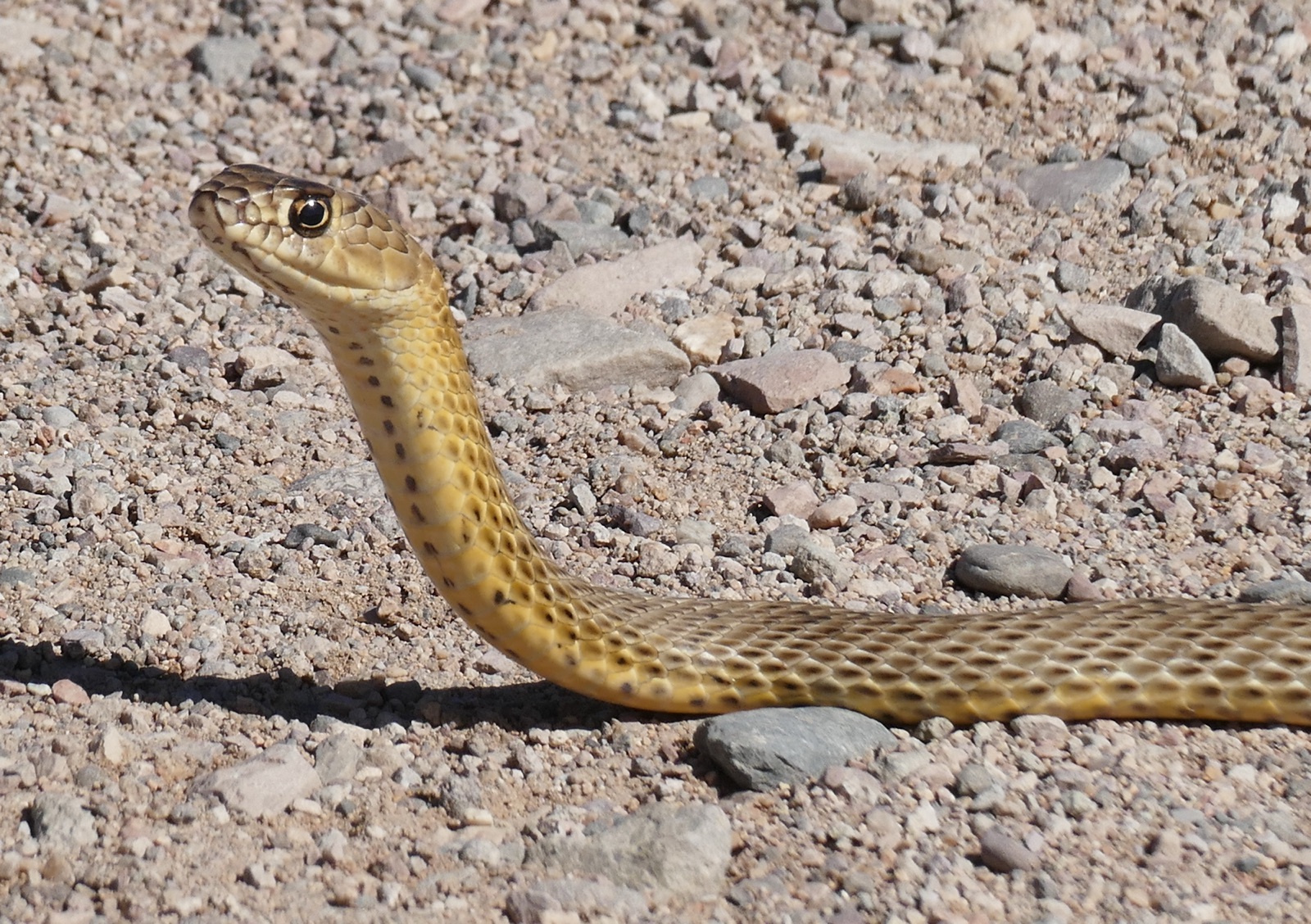
A common question among hikers, gardeners, and outdoor enthusiasts is whether ordinary socks offer any real barrier against a snake bite. The short answer is no. Standard cotton, polyester, wool, or nylon socks are constructed from woven or knitted fibers that possess ample microscopic gaps. A snake's fangs are incredibly sharp, hollow or grooved structures engineered by nature to pierce hide, fur, and skin effortlessly. When a snake strikes defensibly, its fangs pass through sock fabric instantly without meeting significant mechanical resistance.
The physical mechanics of a snake strike make lightweight footwear and socks particularly vulnerable. Venomous snakes like copperheads, cottonmouths, and rattlesnakes feature solenoglyphous fang systems—hinged, hypodermic-like fangs that can extend forward and puncture deep into tissue upon impact. Even non-venomous snakes possess backward-curving teeth designed to grip prey, which easily snag and pierce ordinary sock material. Because human ankles and feet contain thin skin resting close to superficial veins and tendons, a strike through a sock almost always results in a full-depth bite.
While some outdoorsmen wonder if double-socking or wearing heavy winter wool socks provides a safety buffer, the added protection is negligible. A thick, padded hiking sock might marginally absorb a tiny fraction of venom or impede the strike depth of a tiny juvenile snake with very short fangs, but it remains far below any safe standard of puncture resistance. Puncture-resistant materials require rigid, high-density weaves or specialized synthetic laminates—such as heavy Cordura nylon or Kevlar—that standard apparel socks simply do not possess.
To properly safeguard your feet and lower legs when walking through brush, tall grass, or rocky terrain, socks must be paired with appropriate protective footwear and legwear. Sturdy leather hiking boots that cover the ankles, combined with dedicated snake gaiters or thick snake-proof boots, provide a real physical barrier against fangs. Most snake strikes occur below the knee, making the ankle and lower calf prime target areas when stepping blind into heavy cover or under logs.
If you encounter a snake while working in the yard or walking a trail, the safest action is always to give the animal space rather than testing your clothing's durability. Take a quick photo from a safe distance of at least six to eight feet and allow SerpentID to compare the pattern and head shape against native species in your area. If you suspect the snake is venomous or need it safely relocated from a high-traffic zone, leave the area immediately and contact local wildlife management or professional pest removal services.