


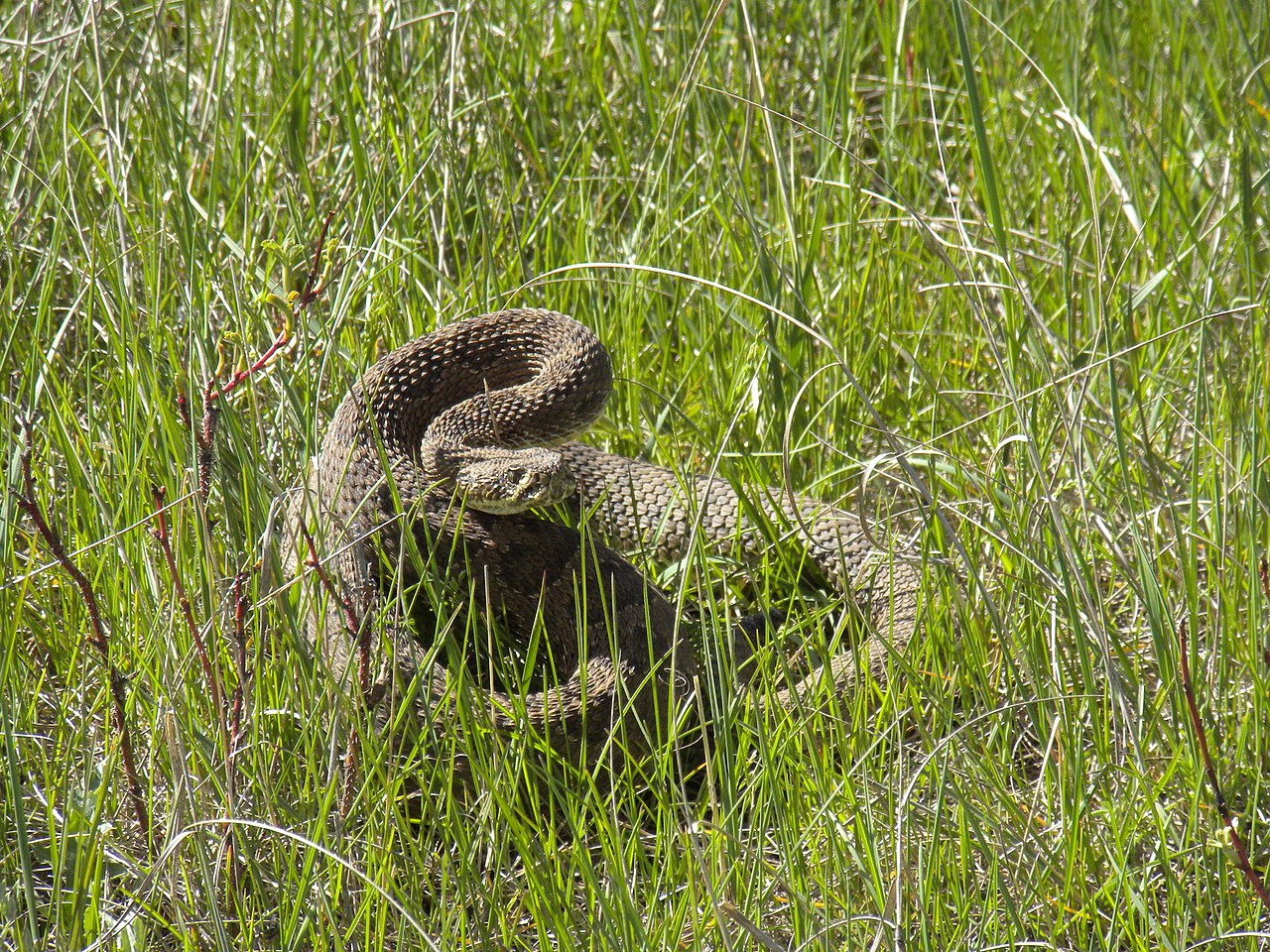
Standard rubber boots provide a helpful layer of defense against shallow nips from small or non-venomous snakes, but common rain and yard boots are not puncture-proof. The sharp, hypodermic fangs of large pit vipers—such as adult rattlesnakes, copperheads, or cottonmouths—are capable of piercing thin, flexible rubber under the strike force of a defensive bite. While thick rubber can sometimes glance off a strike or shorten the depth of venom delivery, relying on everyday waterproof footwear as guaranteed armor in snake country is a risky strategy.
Understanding the mechanics of a snake bite highlights why standard rubber falls short. Venomous snakes deliver strikes with impressive speed and mechanical force, driving hinged or fixed fangs forward into their target. Because fangs are extremely slender, curved, and hard, they act like biological needles that concentrate kinetic force onto a tiny surface area. Thin rubber, soft synthetic linings, or thin neoprene upper shafts yield relatively easily under this localized pressure, allowing fangs to pass through to the skin beneath.
The level of protection offered by rubber boots varies significantly depending on the boot's construction and material thickness. Lightweight muck boots or standard farm rain boots feature thin, flexible rubber designed primarily for water resistance and comfort rather than impact resistance. In contrast, commercial-grade work boots made from dense, heavy-gauge vulcanized rubber offer greater resistance, but even these may feature vulnerable points near seams, flexible ankle joints, or fabric upper cuffs where fangs can more easily penetrate.
Height and fit also play a major role in how well footwear protects you during an unexpected encounter. Most snake bites to humans occur on the lower leg, ankle, or foot when a snake is stepped on or accidentally cornered. Short ankle-high rubber boots leave the vulnerable calf area completely exposed, while loose-fitting tall boots can trap a strike against the leg if the material bunches up. If you are walking through tall grass, brush, or dense ground cover where vision is obscured, dedicated snake boots engineered with puncture-resistant Kevlar or multi-layered composite materials offer far superior defense.
For homeowners, farmers, and outdoor enthusiasts working in snake habitat, upgrading your safety routine involves simple, effective precautions. Pairing sturdy leather or rubber work boots with certified snake gaiters ensures complete lower-leg coverage without needing expensive specialized boots for casual yard tasks. Watching foot placement, using a hiking stick to probe tall vegetation before stepping through, and avoiding reaching blindly into leaf piles or under logs remain the best strategies for avoiding bites altogether.
If you spot a snake while wearing rubber boots, freeze immediately and step back to maintain a safe distance of at least five to six feet. You can take a clear photograph from that secure position and let SerpentID analyze the body patterns and shape against known local species to determine if it is harmless or venomous. If someone is bitten by a venomous snake, keep the victim calm, minimize physical movement, and seek professional medical help immediately.