


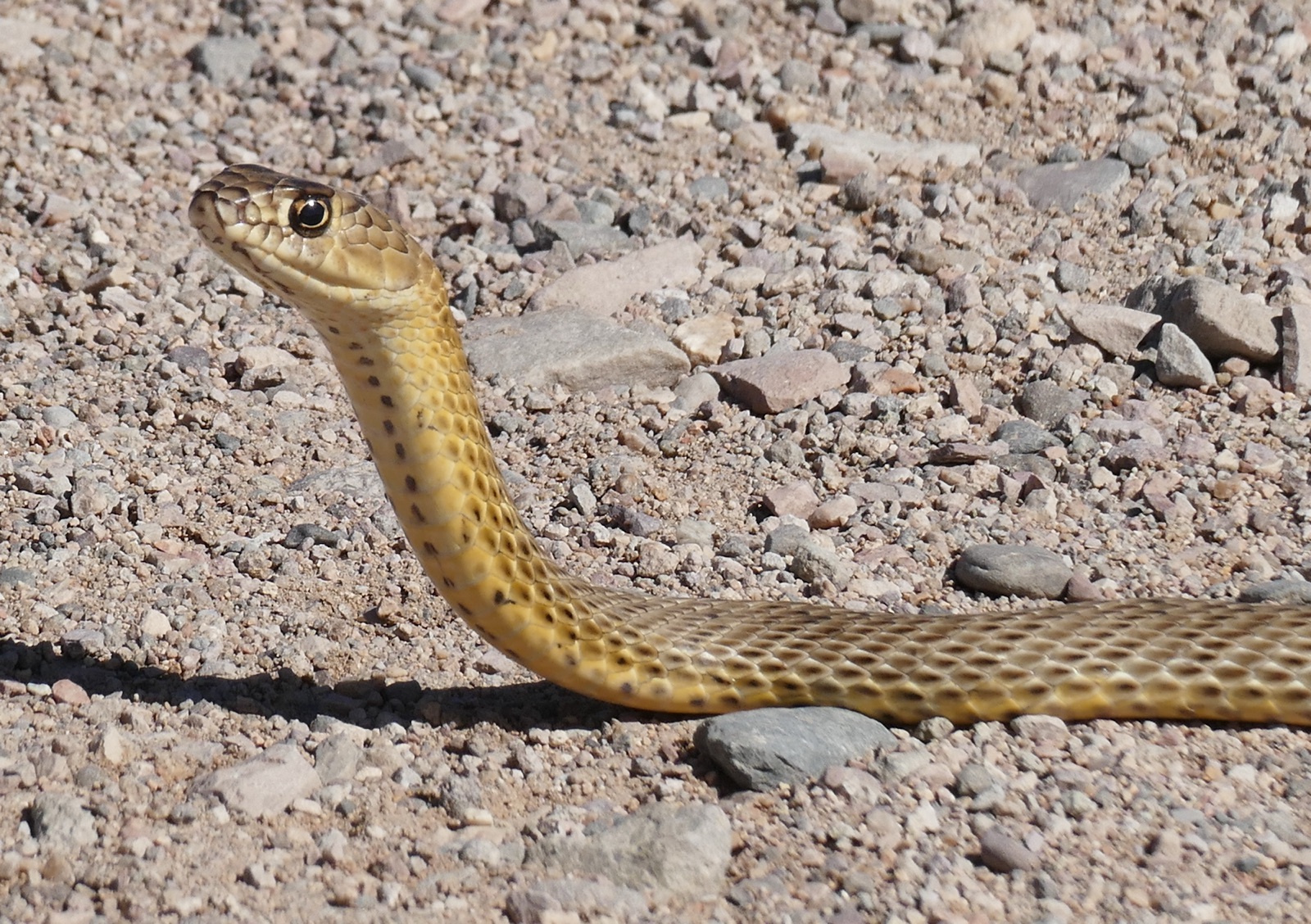
When walking through tall grass, marshy terrain, or dense brush, outdoor enthusiasts and yard workers often rely on rubber boots for basic foot protection. Rubber rain boots, muck boots, and waterproof work footwear offer a sturdy physical barrier against moisture, mud, and sharp debris. However, outdoor workers often ask whether these standard boots are thick enough to stop a striking snake, particularly large venomous species common in North America, Australia, or India.
The physical mechanics of a snake bite depend heavily on the size of the snake, fang length, and the velocity of the strike. Pit vipers such as rattlesnakes, copperheads, and cottonmouths possess long, hollow fangs designed to act like hypodermic needles. In a large rattlesnake, these fangs can measure over half an inch in length and exert significant force upon impact. While soft fabric shoes or canvas sneakers offer virtually no defense against such a bite, heavy rubber provides a surprisingly tough obstacle that often causes fangs to glance off or fold without penetrating deep into skin.
Most standard rubber boots are constructed from molded PVC or vulcanized natural rubber. Thicker sections, particularly around the soles, heels, and toe caps, are nearly impossible for a snake to bite through completely. However, the upper shafts of lightweight rain boots or neoprene-lined muck boots can be much more flexible and thin. A large, heavy-bodied venomous snake delivering a direct strike to a thin rubber shaft might manage to puncture the material, especially if the boot fits snugly against the lower leg without any dead air space to absorb the strike.
To maximize your footwear safety in snake country, consider the design details of what you wear. Purpose-built snake boots feature specialized puncture-resistant liners made from woven aramid fibers or thick composite materials tested specifically against mechanical strikes. If you are relying on general-purpose rubber work boots, look for tall models with thick, rigid shafts and reinforced ankles. Wearing loose-fitting denim or thick canvas pants pulled over the outside of the boot shaft adds an extra layer of defense that can cause a striking snake to catch fabric or discharge venom harmlessly outside the rubber.
Regardless of what boots you wear, practical safety habits remain your best defense against snakebites in yards, gardens, and along trails. Snakes rarely strike unless stepped on, cornered, or surprised, meaning where you place your feet matters more than the material on them. Avoid reaching blind into thick ground cover, step onto logs rather than directly over them, and use a walking stick to probe dense vegetation ahead of your path when working or hiking in high-risk environments.
If you encounter a snake while working outside or exploring, freeze immediately and take a slow step backward to establish a safe distance. Taking a clear photograph from several feet away allows you to use SerpentID to analyze the snake's visual markings and identify local species safely without putting yourself at risk. If you suspect the snake is a venomous species or if an emergency bite occurs, seek immediate professional medical treatment or contact local wildlife authorities.