


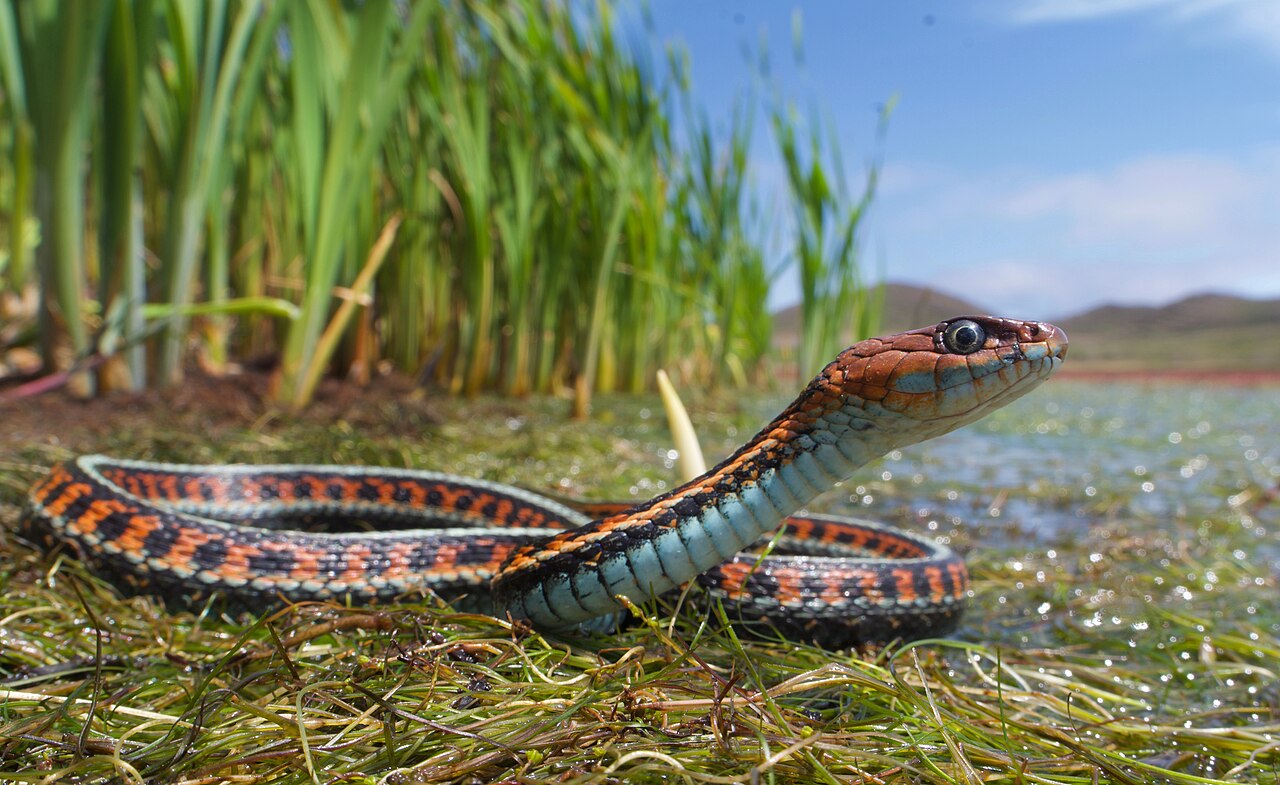
When working in flower beds, pulling weeds, or clearing yard debris, many homeowners slip on a pair of gardening gloves expecting complete protection for their hands. While canvas, nitrile, and leather gloves shield skin from thorns, sharp rocks, and stinging insects, they are rarely designed to stop a snake bite. Snake fangs are remarkably sharp, curved hollow needles engineered to penetrate hide and scales. Standard gardening gloves made from woven fabric, synthetic knit, or thin pigskin offer virtually no resistance when a defensive snake strikes, allowing fangs to pass directly through the material into the skin underneath.
The degree of protection depends heavily on the glove material and the size of the snake, but relying on gloves as a primary defense is dangerous. Light cotton and rubber-coated garden gloves tear easily under pressure and provide zero protection. Heavy-duty cowhide or suede work gloves may occasionally deflect a superficial nip from a small non-venomous species or a tiny hatchling, but adult venomous snakes possess powerful jaw muscles and long, stout fangs. Pit vipers such as copperheads, rattlesnakes, and cottonmouths can easily drive their fangs through medium-weight leather, delivering a full bite despite the extra layer.
Hand and finger bites are among the most common snake bite scenarios in residential yards because gardeners frequently place their hands directly into a snake's hidden refuge. Snakes seek shade, moisture, and shelter beneath potted plants, leaf piles, dense ivy, and border boards. Because snakes rely on camouflage and immobility to avoid detection, an encroaching hand reaching blindly under foliage is perceived as an immediate physical threat. Feeling cornered or squished, the snake reacts instinctively with a defensive strike before the gardener even realizes an animal is present.
Rather than relying on gloves for snake defense, safe yard work practices focus on visibility and tool use. Before reaching into dense bushes or pulling thick clusters of weeds, use a long-handled hoe, rake, or hand trowel to rustle the vegetation from a safe distance. Tapping wooden borders, garden stones, or upside-down pots with a tool gives any hidden reptile an opportunity to move away safely. When lifting heavy rocks, logs, or bags of mulch, always lift the far side toward you first so the object acts as a protective shield between your hands and whatever might be sheltering underneath.
If a snake bite does occur while wearing gloves, immediate and correct response steps are critical. Carefully remove the glove, along with any rings or wristwear, immediately before swelling begins to prevent dangerous tissue constriction. Keep the affected hand still, keep it at or below heart level, and seek professional medical help immediately at an emergency department. Never attempt to cut the bite site, apply ice, put on a tight tourniquet, or attempt to extract venom, as these actions only increase tissue damage.
If you encounter a snake while gardening or doing yard work, step back slowly and leave the animal alone. Taking a clear photograph from a safe distance allows SerpentID to quickly compare its markings, scale structure, and head characteristics against known species in your region. If the photo reveals a venomous species or a snake located in an unsafe area, contact a local wildlife removal professional to relocate the animal without risk.