


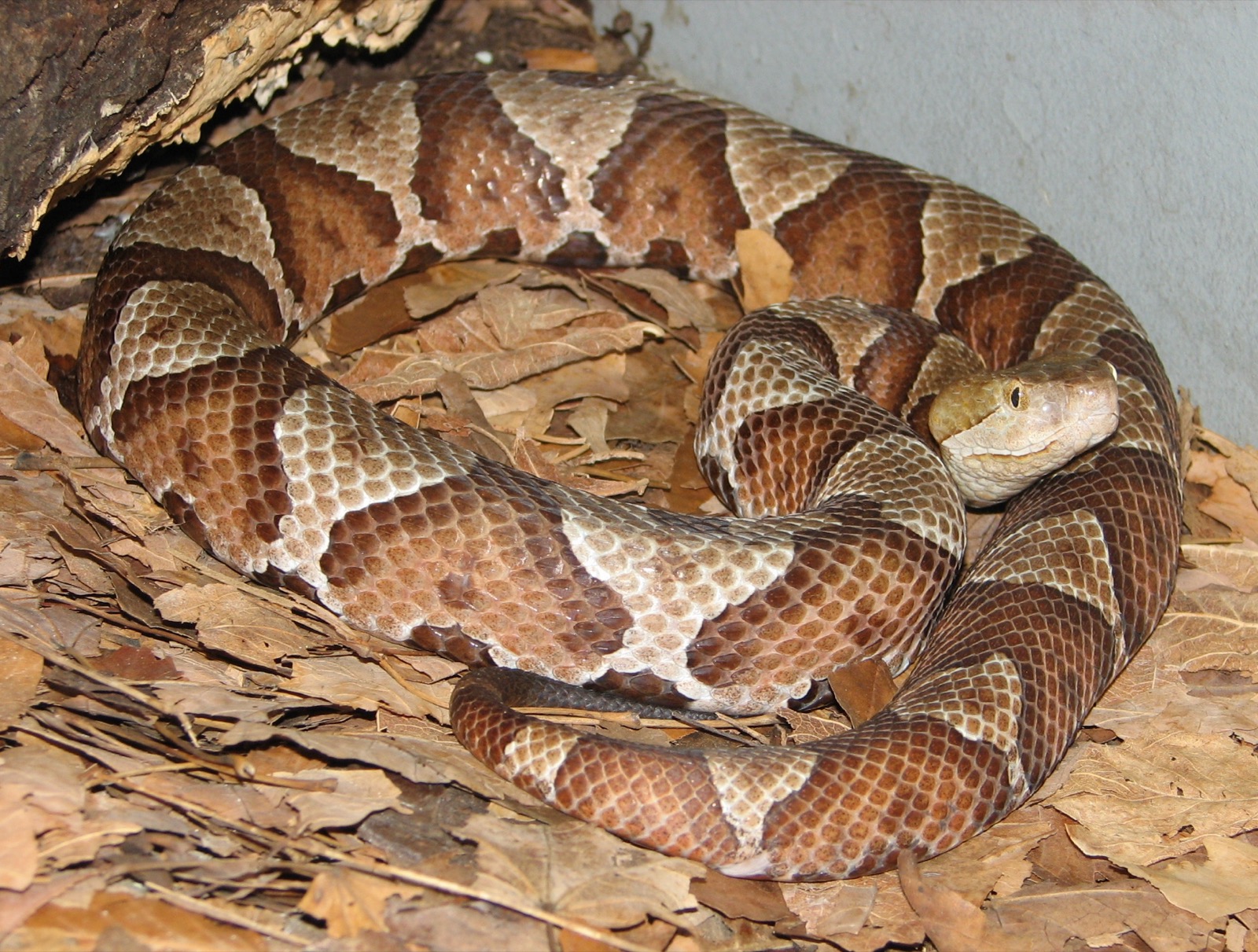
Crocs have become the go-to casual shoe for gardening, walking the dog, and doing quick chores around the yard. However, their light weight and soft cushion come at a major cost when it comes to wildlife safety. The foam resin used to make these shoes is designed for comfort and shock absorption, not puncture resistance. The long, needle-sharp fangs of pit vipers like copperheads, cottonmouths, and rattlesnakes can effortlessly penetrate soft foam, entering the foot with minimal resistance during a defensive strike.
Beyond the thin foam sole and upper shell, the physical design of standard clogs poses an even greater risk. The open ventilation holes across the top and sides leave large areas of bare skin or thin socks completely exposed. Furthermore, the open heel design allows a startled snake on the ground to strike directly at the ankle or Achilles tendon without touching the shoe at all. A snake striking defensively from ground level reaches a height that easily bypasses the low collar of casual clogs.
Many homeowners assume that venomous snakes only live deep in the woods, but residential yards are primary hunting grounds for many common species. In North America, copperheads and garters frequently hide under low patio furniture, near garden hose reels, or buried under damp mulch beds. Stepping out at dawn or dusk in soft foam shoes to grab the mail or water plants is one of the most common scenarios for accidental snake bites, as snakes often soak up leftover heat from concrete or hide near lawn edges.
If you are working in high grass, clearing brush, moving stacked wood, or walking through unlit yard areas after dark, upgrading your footwear is essential. Closed-toe leather work boots that cover the ankle offer far superior defense against defensive bites. Combining sturdy leather footwear with loose-fitting heavy denim pants or specialized snake gaiters creates a physical barrier that can deflect or absorb the force of a strike before fangs reach skin.
When you spot a snake in your yard or near your porch, never attempt to kick, step near, or move the animal, regardless of what you are wearing on your feet. Keep a safe distance of at least six to eight feet, take a clear photo with your phone, and let SerpentID analyze the body shape, scale patterns, and regional data to help determine the species. If the snake is identified as a venomous species or remains in a high-traffic area, keep children and pets indoors and contact a local wildlife control professional to relocate it safely.