


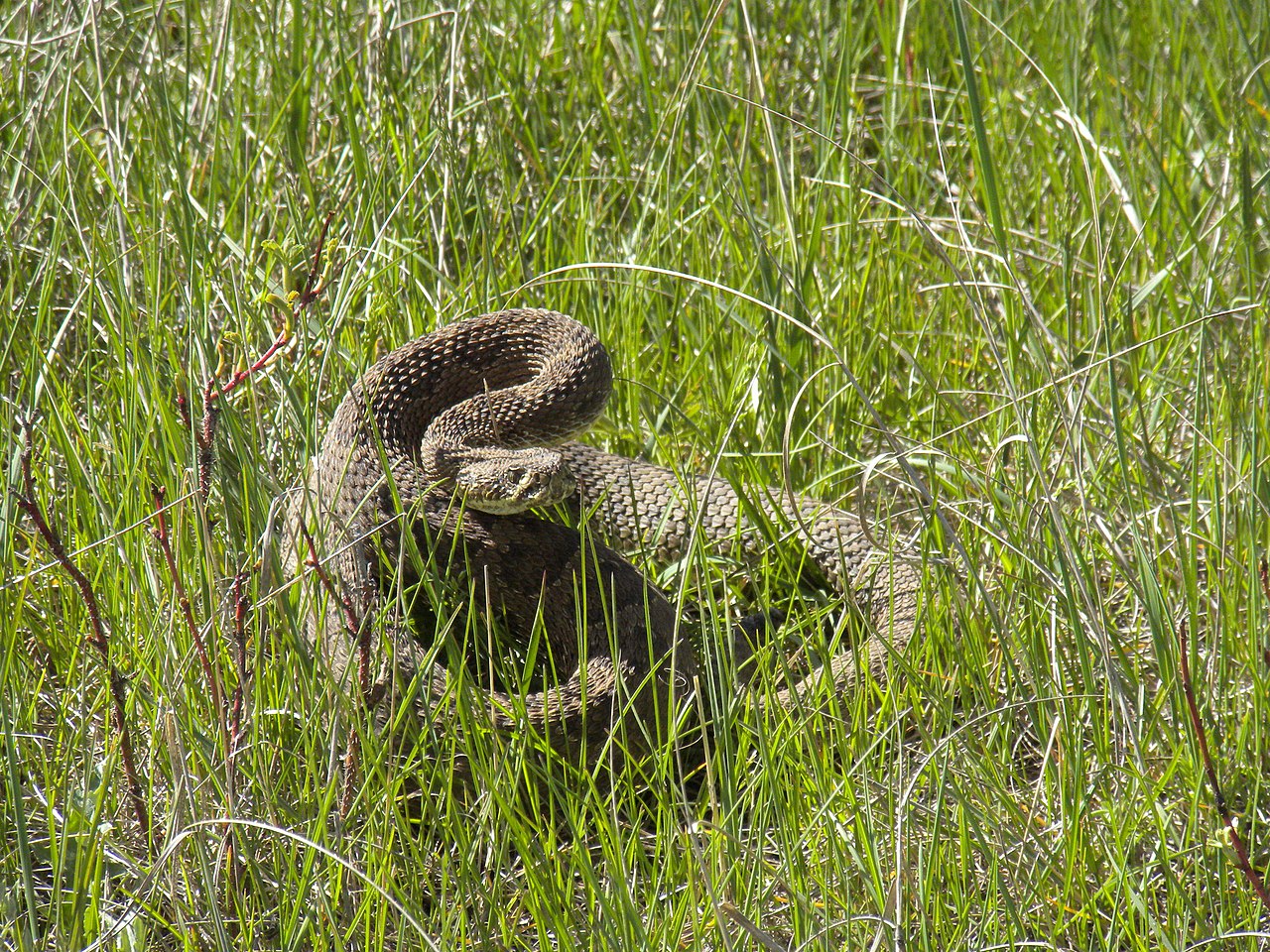
The question of whether a snake can bite through clothing or shoes is a common and understandable concern, particularly for those who spend time outdoors in areas where snakes are prevalent. The simple answer is that it depends on several factors, including the snake species, the length of its fangs, and the type and thickness of the material. While some articles of clothing can offer a degree of protection, it is crucial to understand that no regular attire provides a foolproof barrier against a determined snake bite, especially from venomous species.
Snake fangs are highly specialized tools designed for injecting venom. Their length and rigidity vary significantly between species. For instance, pit vipers like rattlesnakes, copperheads, and cottonmouths, found across the Americas, possess long, hinged fangs that can extend significantly during a strike. Elapids, such as cobras and kraits in Asia and Africa, or coral snakes and various Australian species, have shorter, fixed fangs. These fangs are incredibly sharp and are engineered to penetrate flesh and deliver venom deep into tissues. The force of a snake's strike can also be surprisingly powerful, adding to the fangs' penetrative ability.
When it comes to everyday clothing, materials like thin cotton or linen offer very little resistance to a snake's fangs. A direct strike from even a moderately sized snake can easily pierce through such fabrics. Thicker materials, such as heavy denim jeans or canvas work pants, can provide some marginal protection, potentially deflecting a glancing blow or reducing the depth of penetration. However, these materials are not designed to be puncture-proof, and a direct, forceful strike from a venomous snake with long fangs can still penetrate to the skin underneath.
Footwear is often a critical area of concern, as feet and ankles are common targets for snake bites. Regular athletic shoes or sandals offer virtually no protection. Sturdy, high-top leather hiking boots or work boots, particularly those with thick soles and solid construction, provide a much better defense. The thick leather can resist penetration from many fangs, and the height of the boot protects the ankle, which is a vulnerable spot. However, even the toughest leather boots are not entirely impenetrable, and extremely long fangs or repeated strikes in the same spot could potentially get through.
For those who frequently work or hike in high-risk snake habitats, specialized snake-proof gaiters or chaps offer the highest level of clothing-based protection. These items are typically made from dense, puncture-resistant materials like ballistic nylon, polycarbonate, or a combination of tough fabrics, often with multiple layers or rigid panels. They are designed to cover the lower legs and sometimes the thighs, providing a robust shield against fangs. While not entirely infallible, they significantly reduce the risk of a bite reaching the skin.
Ultimately, while appropriate clothing and footwear can offer an extra layer of defense, the most effective strategy for preventing snake bites is awareness and avoidance. Always watch where you place your feet and hands, especially when stepping over logs, rocks, or through tall grass. Avoid reaching into dark, unseen areas, and never attempt to handle a snake, even if you believe it to be harmless. Maintaining a respectful distance is paramount, as most snake bites occur when people attempt to interact with or harm a snake.
If you encounter a snake, the safest course of action is to observe it from a safe distance and allow it to move away on its own. If you need to identify a snake you've seen, remember to take a photograph from a safe distance without approaching it. The SerpentID app can then help you compare markings against likely local species. If you suspect a snake is venomous or posing an immediate threat, contact local wildlife services or animal control for assistance, rather than attempting to manage the situation yourself. If a bite occurs, seek professional medical help immediately.