


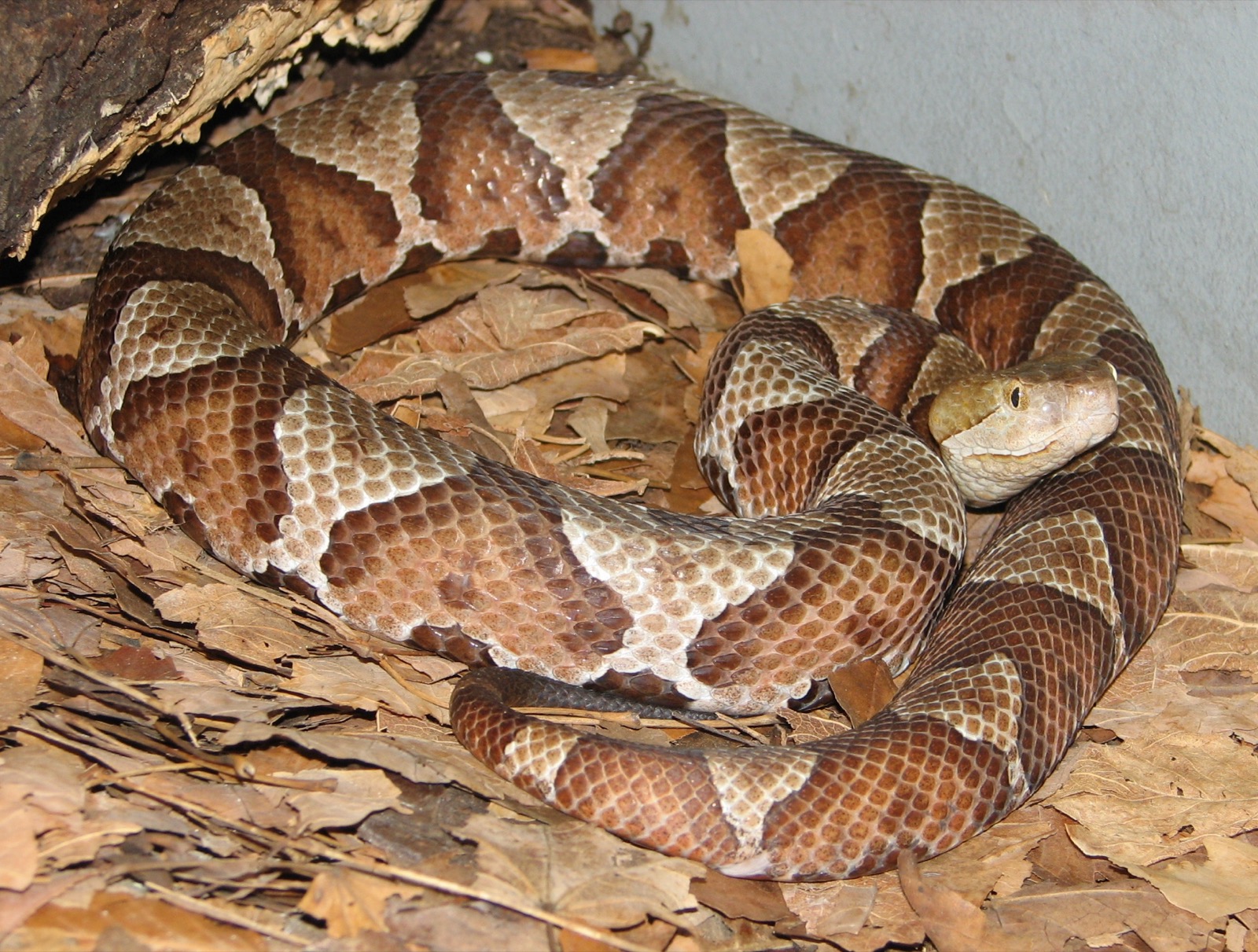
Dogs can smell snakes, and there is solid evidence for it. A dog's sense of smell is far more sensitive than ours, with many times more scent receptors and a large portion of the brain devoted to processing odors. Snakes leave scent behind wherever they go: skin secretions, shed skin, droppings, and the musk many species release when disturbed. To a dog moving nose-down through grass or leaf litter, a snake resting under a log or a board is often detectable before it is visible to anyone.
The clearest proof comes from working detection dogs. On Guam, the US Department of Agriculture has used trained dogs for years to search cargo and outbound shipments for invasive brown tree snakes, which hide in tight spaces where human inspectors would miss them. In Florida, researchers have trained dogs to locate invasive Burmese pythons in dense vegetation, and similar programs elsewhere have used dogs to find rare or secretive native snakes for wildlife surveys. These dogs succeed because snake scent is distinct enough to learn and follow, not because they have any special instinct about snakes.
That distinction matters for pet owners. Being able to smell a snake is not the same as knowing a snake is dangerous. Most family dogs have never been taught what that scent means, so the odor reads as something new and interesting. The typical response is to investigate: sniffing closely, pawing, nosing into the hiding spot, or trying to grab the animal. A snake that is suddenly confronted by a large animal pushing its face in close will usually try to escape, and if it cannot, it may defend itself. This is why veterinarians in the US, Australia, and India see so many bites to the muzzle, head, neck, and front legs.
There is also a common belief that dogs can tell venomous snakes from harmless ones, or that some dogs naturally avoid snakes altogether. There is no good evidence that untrained dogs reliably make either judgment. A dog may bark at a garter snake and ignore a copperhead coiled quietly in the leaves, or the other way around. Individual temperament varies, and some dogs are more cautious than others, but no owner should assume their dog's nose will keep it out of trouble. Terriers and other breeds bred to hunt small animals can be especially quick to engage.
Some owners look into snake avoidance training, which aims to teach dogs to associate snake sight, sound, or scent with something unpleasant and to back away. Methods vary widely, and some rely on aversive tools that many veterinary behaviorists question, so it is worth discussing options with your veterinarian or a qualified trainer before committing. Training is never a guarantee. The most dependable protection is practical: keep dogs leashed on trails in snake country, stay on open paths rather than letting dogs push into brush or rock piles, clear clutter and woodpiles near the yard, and call your dog away the moment it fixates on a spot and starts sniffing intently. If a dog is bitten or you suspect it was, take it to a veterinarian immediately rather than waiting for symptoms.
Your dog's behavior can be a useful early warning in its own right. A dog that suddenly stops, stares, barks at one patch of ground, or circles a bush may have found a snake. Treat that as your cue to recall the dog and step back, not to go look closer. Once everyone is at a safe distance, you can photograph the area with your phone's zoom and let SerpentID compare the visible markings against likely local species. If the snake turns out to be venomous or is in a spot where pets and people pass often, contact your local wildlife services or a licensed snake catcher to handle it, and keep the dog indoors until it has moved on or been removed.