


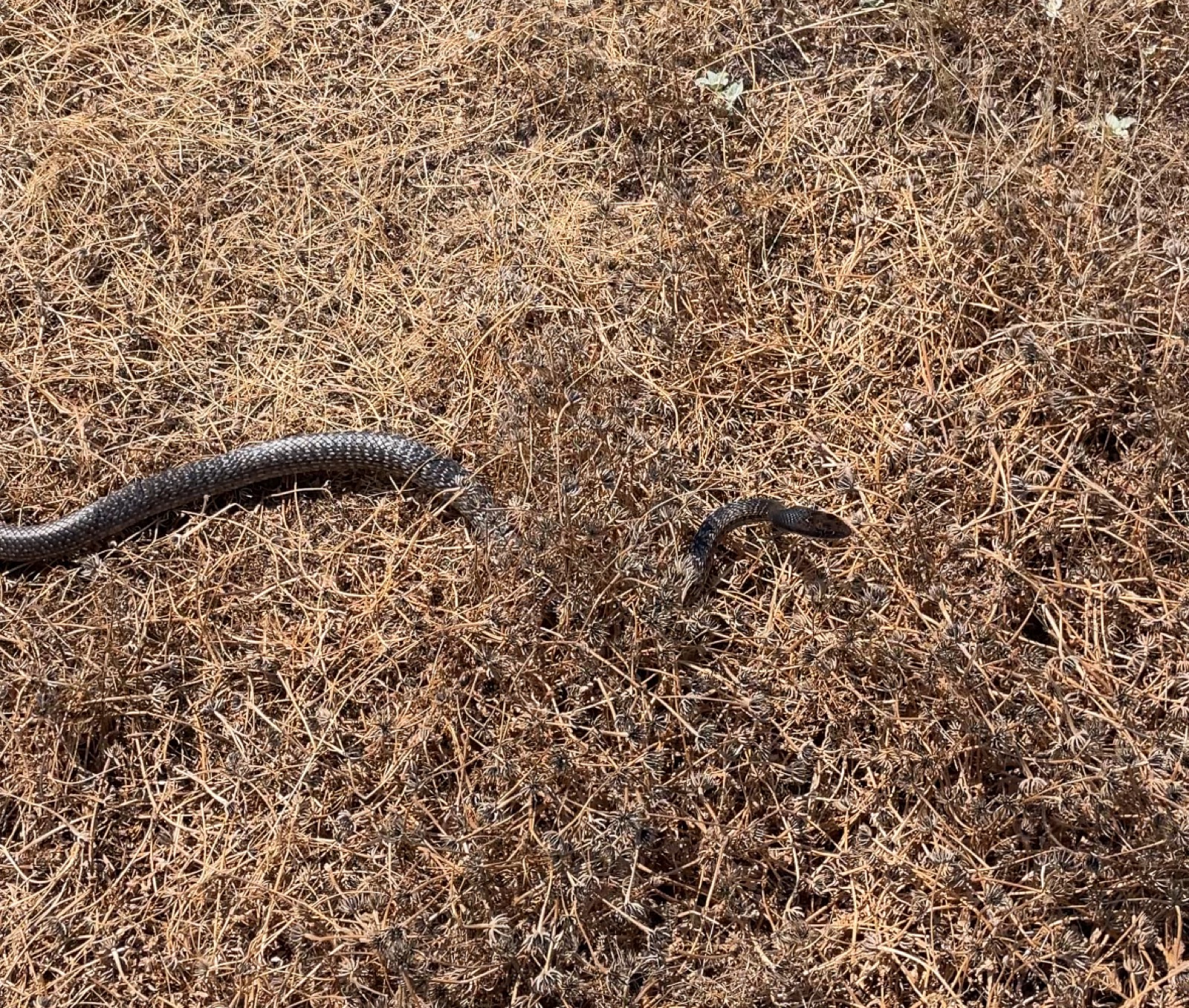
For centuries, folklore and popular literature have reinforced the misconception that snakes can inflict harm using their flicking, forked tongues. Phrases like the sting of a serpent have passed into everyday language, leading many people to wonder if the rapid darting movement of a snake's tongue carries a hidden dart, needle, or toxic sting. In reality, no snake species on Earth possesses a stinging mechanism in its tongue or anywhere else on its body.
A snake's tongue is entirely soft and flexible, composed of delicate muscle tissue covered in smooth mucous membranes. It lacks any hard structures, sharp points, or venom glands. When a snake flicks its tongue out of its mouth, it is not delivering a threat display or preparing to attack, but rather gathering chemical information about its surroundings. The tongue collects microscopic scent particles floating in the air or deposited on surfaces, bringing them inside the mouth to press against a specialized sensory structure called the vomeronasal organ, or Jacobson's organ, located in the palate.
The physical sensation of a snake touching human skin with its tongue is completely painless and non-threatening. Because the tongue is damp and soft, it feels similar to a light feather touch or a gentle tickle. Even large constrictors and highly venomous vipers have soft tongues that cannot puncture skin, leave a welt, or transfer venom. Venomous snakes deliver toxin exclusively through hollow or grooved teeth known as fangs, which are situated in the upper jaw and connected to venom glands behind the eyes.
The myth of the stinging snake tongue likely persists because of how quickly and dramatically snakes flick their tongues when startled or curious. Because the tongue extends through a tiny notch in the front of the lip without requiring the snake to open its jaws, observers often associate the dark, rapid movement with a defensive weapon. Combined with historical misunderstandings of reptile anatomy, it was easy for early observers to mistake a sensory flick for an act of stinging.
Understanding that the tongue is harmless can help reduce anxiety during unexpected encounters, but it remains crucial to maintain a respectful distance from any wild reptile. While the tongue itself presents zero danger, a frightened snake may still defend itself by striking and biting with its mouth. Differentiating harmless behavior like tongue-flicking from genuine defensive warnings like coiling, hissing, or tail-rattling helps keep both humans and wildlife safe.
If you spot a snake in your yard, garden, or along a hiking trail, the safest response is always to give it plenty of space. You can photograph the snake from a safe distance and upload the image to SerpentID, where smart visual recognition compares body patterns, scale textures, and head shapes against local species to give you a fast, reliable identification. Should you suspect the snake is a venomous species near living spaces or pets, keep a safe distance and contact your local wildlife control professionals for assistance.