


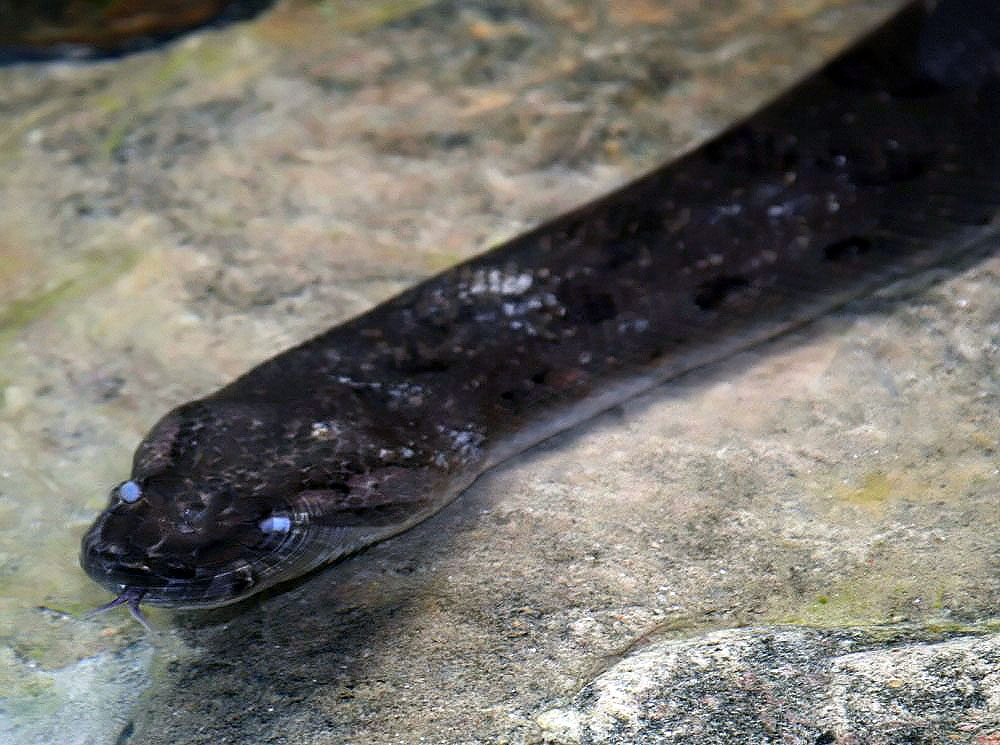
Few snake questions spark as much curiosity as whether a snake can actually swallow a person. The short answer is that it is physically possible for a handful of very large constrictors, but verified cases are so rare that each one makes international news. Several confirmed incidents involve reticulated pythons in Indonesia, where large adult pythons have killed and swallowed people working alone in fields or forest edges. These events are real, and they were confirmed when the bodies were found inside the snakes, but they are counted in single digits over many decades, not in yearly statistics.
Only a small group of snakes is even large enough to try. The reticulated python of Southeast Asia is the longest snake in the world, and the green anaconda of South America is the heaviest. African rock pythons and Burmese pythons can also reach sizes that let them take deer, goats, pigs, and large dogs. Below this tier, the size gap is simply too great. A rat snake, a cobra, a brown snake, or a rattlesnake cannot eat anything close to human size, no matter how many viral stories claim otherwise.
The main obstacle is anatomy, and specifically human shoulders. Snakes do not dislocate their jaws, but their lower jaw halves are joined by a stretchy ligament rather than fused bone, and their skin and ribs can expand dramatically. That lets a big python swallow prey far wider than its head. Even so, the broad, rigid frame of an adult's shoulders is a serious barrier, which is one reason giant snakes far more often target animals with narrower, more streamlined bodies. Most documented human victims have been killed by constriction first, and many attacks by large constrictors end without the person being swallowed at all.
Anacondas deserve a special note because they feature in so many films and legends. Despite their enormous mass, there are no well-documented, scientifically verified cases of a green anaconda eating a human, though unverified stories circulate. African rock pythons have a small number of reported fatal attacks, with only rare and poorly documented claims of consumption. In Florida, where invasive Burmese pythons now live wild in the Everglades, there are no known cases of a wild python eating a person; the few deaths linked to Burmese pythons in the United States involved captive pets and constriction, not predation.
For readers in the United States, Australia, and India, the practical risk is close to zero. Native US snakes are far too small. Australia's largest snakes, such as the scrub python, can take wallabies but are not known to prey on people. India's Indian rock python can grow large and eat livestock, yet verified cases of it eating an adult human are lacking. In all three countries, the real snake hazard is venomous bites from defensive snakes, not being hunted. Large pythons, like other snakes, generally avoid people and move away when given room.
So treat the giant snake question as a fascinating edge case rather than a reason to fear every snake you meet. If you come across any large snake, or one you cannot name, stay well back, keep children and pets away, and photograph it from a safe distance. SerpentID can compare its markings, size cues, and location against likely local species so you know whether you are looking at a harmless constrictor or something venomous. If it turns out to be venomous or is in a spot where it could cause trouble, contact your local wildlife service or a licensed snake catcher rather than approaching, handling, or trying to kill it, and if anyone is bitten, seek professional medical help immediately.