


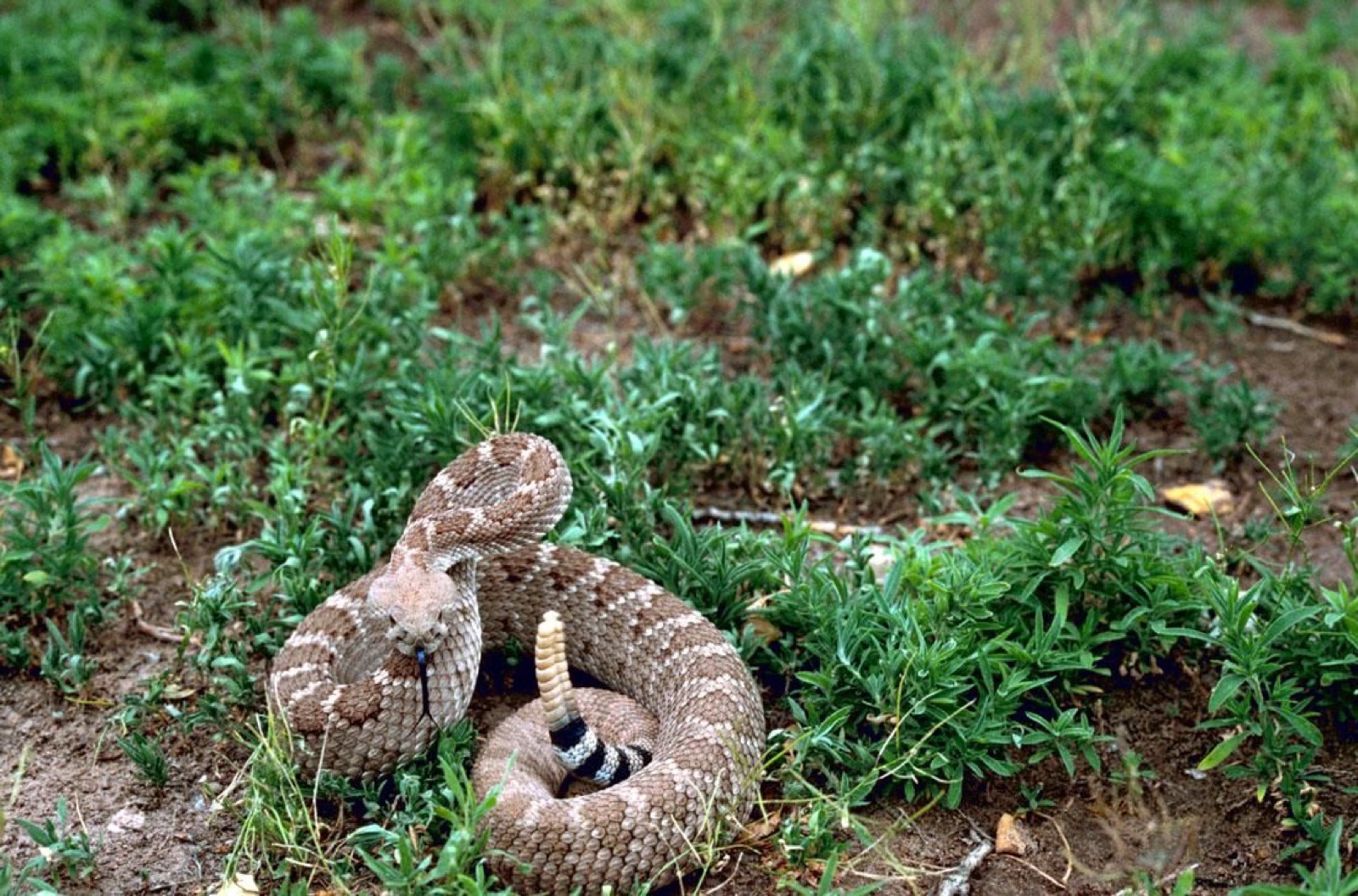
When venturing into natural areas, especially where snakes are known to reside, one of the most practical steps you can take for personal safety is to dress appropriately. Many snake bites occur on the lower extremities – the feet, ankles, and lower legs – often when someone unknowingly steps near or on a camouflaged snake. While no attire can guarantee absolute protection against a determined strike, the right clothing can provide a vital barrier, significantly reducing the risk of venomous fangs penetrating the skin.
The foundation of snake bite protection for your lower body begins with sturdy footwear. High-top boots made of thick leather, rubber, or robust synthetic materials are far superior to open-toed shoes or low-cut sneakers. Look for boots that cover your ankles and ideally extend up your calf, providing a solid physical barrier against strikes. The thick material of these boots makes it difficult for fangs to puncture through, offering a crucial layer of defense where most bites occur.
Complementing your protective boots, wearing long, thick pants is essential. Materials like heavy denim, canvas, or specialized outdoor fabrics offer more resistance than thin leggings or shorts. For added safety, consider pants that are slightly loose-fitting, as this can create a small air gap between the fabric and your skin, further reducing the chance of fangs reaching you even if the fabric is penetrated. Tucking your pant legs into your boots, rather than letting them drape over, helps prevent a snake from striking or coiling up into an exposed area.
For those in areas with a high snake population or engaging in activities that put them at greater risk, such as bushwalking, hunting, or working in dense vegetation, specialized snake gaiters or chaps are highly recommended. These protective coverings are typically made from puncture-resistant materials like ballistic nylon, polycarbonate, or dense weave fabrics and are designed to shield the lower legs from the ankle to just below the knee. They are specifically engineered to withstand snake fangs and can be worn over regular pants and boots, offering an elevated level of protection.
Beyond the lower body, general awareness in your attire can also contribute to safety. While less critical for direct bite prevention, wearing long sleeves can protect arms when reaching into bushes or under logs. Brightly colored clothing, especially for outer layers, can make you more visible to others and, theoretically, to wildlife, though snakes primarily rely on scent and vibration. The key is to minimize exposed skin and create as many layers of protective material as possible between yourself and potential snake encounters.
It is crucial to understand that even the best protective clothing is not foolproof. A very powerful strike, a direct hit to a vulnerable seam, or an unexpected angle can still compromise protection. Therefore, protective gear should always be combined with vigilant behavior. Always watch where you place your feet and hands, avoid stepping over logs or rocks without first checking the other side, and never attempt to handle or provoke a snake, regardless of what you are wearing.
Ultimately, dressing for snake safety is a proactive measure that significantly lowers your risk of an encounter turning into a bite. It's one part of a comprehensive approach to enjoying the outdoors responsibly. If you do encounter a snake, the best course of action is always to maintain a safe distance and observe it from afar. Should you need to identify the species to understand the potential risk, a clear photograph from a safe distance can be uploaded to the SerpentID app, which can compare its markings against likely local species. If you suspect a venomous snake or if a bite occurs, seek professional medical help immediately and contact local wildlife services for guidance.