


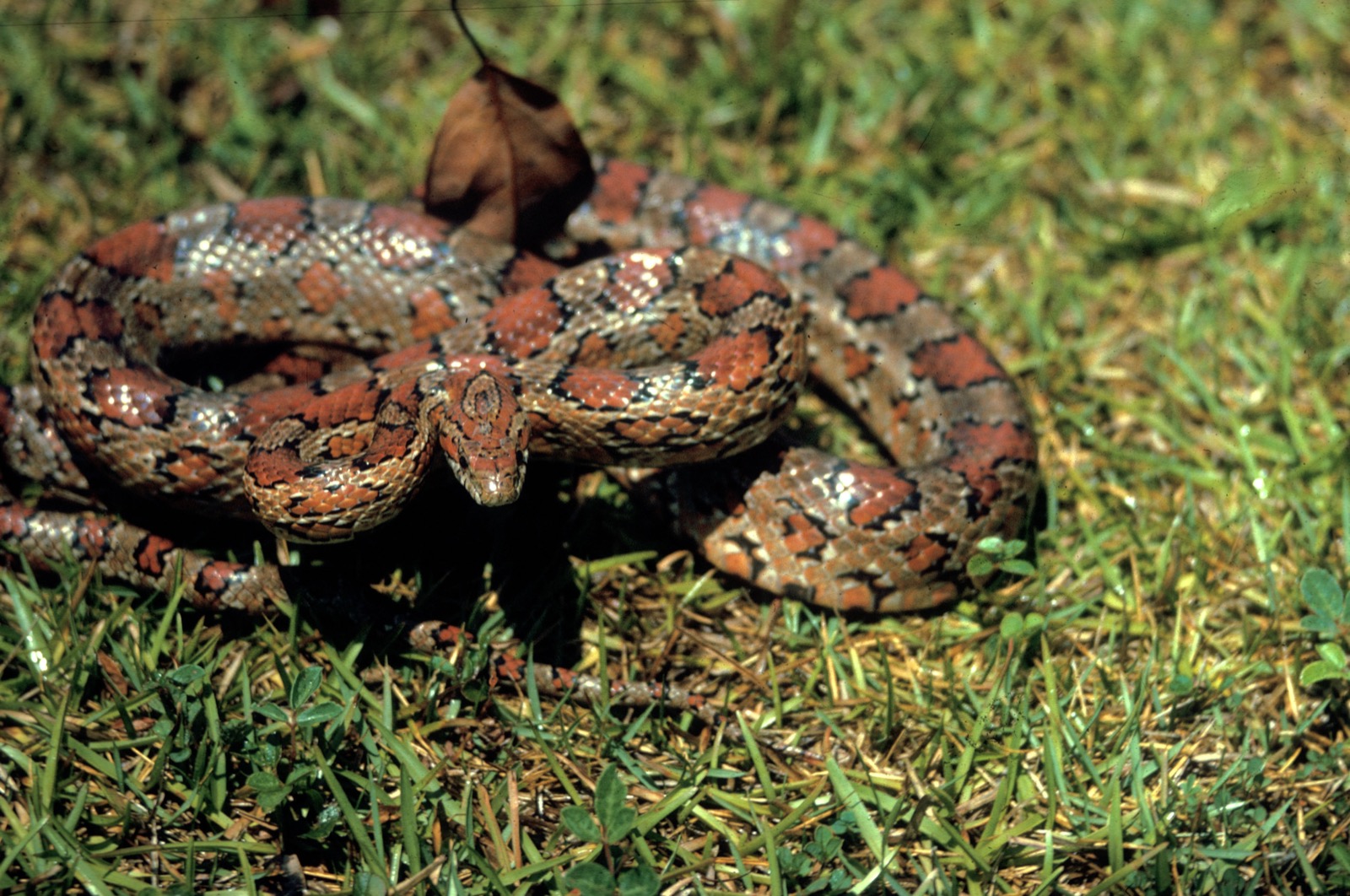
When we observe animals, it's natural to project human emotions and social structures onto them, leading many to wonder if snakes, like us, experience loneliness or seek companionship. However, the vast majority of snake species are fundamentally solitary animals. They are self-sufficient hunters and survivors, typically preferring to live, forage, and rest by themselves. Their interactions with other snakes are generally brief and driven by instinctual needs, rather than complex social bonding or long-term relationships.
This solitary existence offers several evolutionary advantages for snakes. Living alone reduces competition for food resources within a given territory, ensuring that a single snake can efficiently exploit available prey without sharing. It also minimizes the risk of attracting predators, as a group of animals can be more conspicuous than an individual. Furthermore, a solitary lifestyle allows snakes to be highly adaptable in their hunting strategies and movements, responding to environmental changes or prey availability without needing to coordinate with others.
While snakes are predominantly solitary, there are specific, temporary circumstances in which they may gather. The most common reasons for snakes to be found in groups are for mating and for brumation, which is a state of winter dormancy similar to hibernation. During mating seasons, multiple males might converge on a female, sometimes forming what are known as 'mating balls,' particularly seen in species like garter snakes. Similarly, many species will seek out communal dens or hibernacula to overwinter, sharing the space for warmth and protection against harsh temperatures. These gatherings, however, are functional and temporary, dissolving once the immediate purpose is served.
Beyond these brief, instinct-driven congregations, snakes do not exhibit the social structures or cooperative behaviors seen in many mammals or birds. Parental care is rare, with most snake species laying eggs or giving birth to live young and then immediately abandoning them to fend for themselves. There are no observed instances of snakes forming 'families' in the human sense, raising their young together, or maintaining lifelong partnerships. Each individual snake is equipped to survive independently from birth, relying on its own instincts for hunting, defense, and finding shelter.
The popular myth of snakes 'traveling in pairs' is often a misinterpretation of these temporary gatherings. If two snakes are seen together, it's most likely a mating encounter, two individuals independently drawn to a shared resource like a food source or a warm basking spot, or an accidental convergence. They are not 'friends' or 'partners' journeying together. Understanding this distinction helps to demystify snake behavior and reinforces their independent nature.
From a biological perspective, the reptilian brain is wired for survival and reproduction, with less emphasis on the complex social cognition and emotional attachments that characterize many mammalian species. Snakes primarily respond to their environment through instinctual drives, sensory cues like vibrations, scent, and heat, and learned associations related to food and safety. Concepts like 'loneliness' or 'friendship' are anthropomorphic projections that do not align with current scientific understanding of snake psychology or behavior.
Encountering a snake, whether solitary or in a temporary gathering, is a part of living in diverse ecosystems. Rather than trying to interpret their social lives, the most practical and safest approach is to appreciate them for their unique adaptations. If you encounter a snake, observe it from a safe distance. Take a clear photograph if possible, and use the SerpentID app to identify the species. Knowing whether a snake is venomous or harmless is key to taking appropriate action, which might involve simply leaving it alone or contacting local wildlife services if it poses a threat.