


A common question people ask about snakes, particularly venomous ones, is whether they are immune to venom, especially their own. The answer is a fascinating look into evolutionary biology: many snakes do possess a significant degree of resistance or immunity to certain venoms, though it's not a blanket protection against every type of toxin. This adaptation is crucial for their survival, allowing them to navigate a world where venom is both a weapon and a potential threat.
The concept of snake immunity to venom is more accurately described as venom resistance. Unlike a complete immunity that would render a snake impervious to any venom, resistance implies a reduced susceptibility to the harmful effects of specific venoms. This means that while a snake might be able to withstand a dose that would be lethal to a human or another animal, a sufficiently large or potent dose could still cause harm or even be fatal. The level of resistance varies widely among species, and is often tailored to the venoms they are most likely to encounter.
The biological mechanisms behind this resistance are complex and diverse. In many cases, snakes produce specialized proteins or antibodies in their blood plasma that can bind to and neutralize the toxic components of venom. These proteins act like tiny biological shields, preventing the venom from damaging cells and tissues. Some snakes may also have enzymes that break down venom components, or modified receptors that venom toxins cannot effectively target. These internal defenses are the result of millions of years of co-evolution between venomous snakes and their prey or predators.
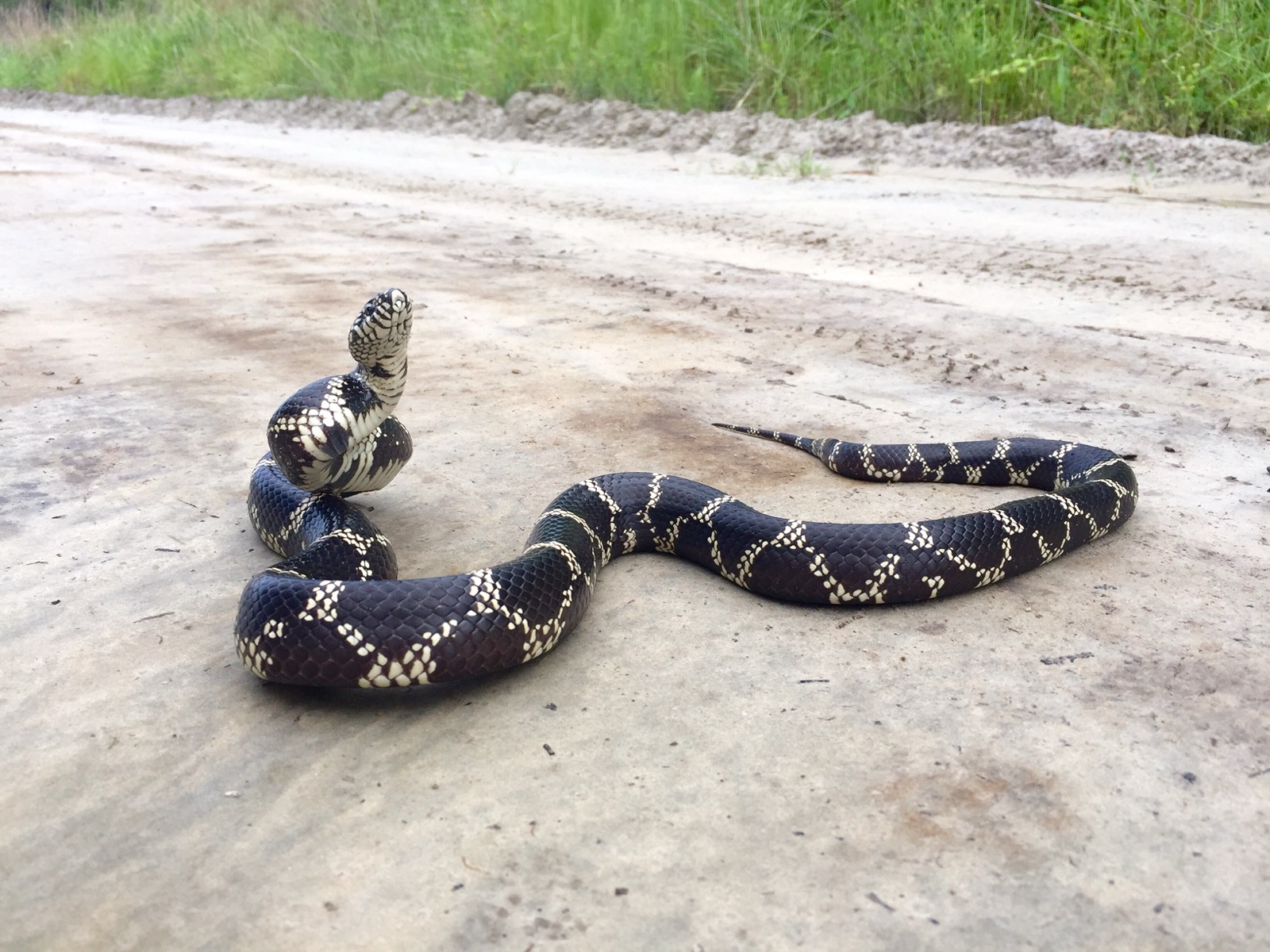
One of the most well-known examples of venom resistance comes from kingsnakes, a group of non-venomous constrictors. Kingsnakes are famous for their ability to prey on venomous snakes, including rattlesnakes, copperheads, and cottonmouths. Their resistance to pit viper venom allows them to withstand bites during these predatory encounters. Similarly, venomous snakes often exhibit resistance to their own venom, which is essential to prevent self-envenomation during hunting, feeding, or defensive strikes where they might accidentally bite themselves.
It's important to understand the limitations of this resistance. A snake resistant to pit viper venom might still be highly susceptible to the neurotoxic venom of an elapid, such as a cobra or a coral snake. Furthermore, the effectiveness of resistance can depend on the dose of venom. While a snake might shrug off a typical bite, an unusually large injection could overwhelm its defenses. This makes the snake's internal defense system a sophisticated, yet not infallible, adaptation.
The evolutionary advantage of venom resistance is clear. For venomous snakes, it's a safeguard against accidental harm from their own potent weapon. For non-venomous predators like kingsnakes, it unlocks a valuable food source that other predators cannot safely exploit. This intricate biological dance highlights the incredible adaptations that allow snakes to thrive in diverse and challenging environments, shaping predator-prey dynamics and contributing to the biodiversity of ecosystems.
While snakes possess these fascinating adaptations, humans do not. Encountering any snake in the wild, whether venomous or not, requires caution and respect. Never attempt to approach, handle, or kill a snake. If you see a snake, maintain a safe distance and, if possible, take a clear photograph. Our SerpentID app can help you identify the species by comparing its markings against local species, helping you understand if it's venomous. If you suspect a bite or encounter a venomous snake in a populated area, contact local wildlife services or emergency medical help immediately.