


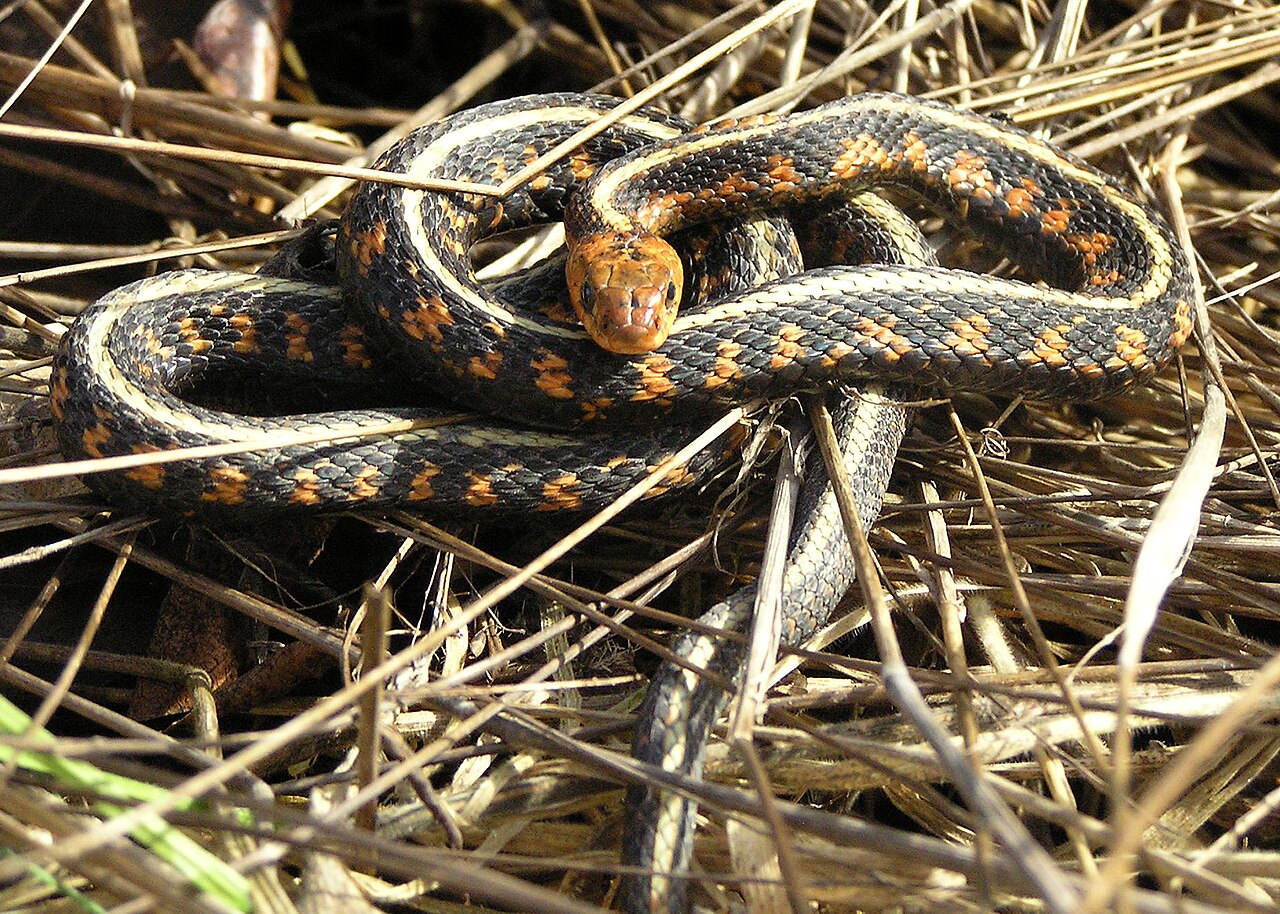
The question of whether snakes are "happy" often arises from our natural tendency to anthropomorphize animals, attributing human emotions and experiences to them. While snakes certainly exhibit behaviors that indicate their physiological state and reactions to their environment, their internal experience of "happiness" is fundamentally different from our own. For a snake, well-being is not a complex emotional state but a functional one, achieved when its essential biological needs are met, allowing it to thrive and survive.
One of the most critical factors for a snake's well-being is effective thermoregulation. As ectothermic (cold-blooded) animals, snakes depend entirely on external sources to regulate their body temperature. This means finding the right balance of warmth for digestion and activity, and cooler spots for rest and avoiding overheating. A snake that can consistently find an optimal thermal gradient—basking in the sun when cool, or retreating to shade or underground burrows when hot—is a snake in a state of physiological contentment, ready to perform its vital functions.
Another primary driver of a snake's well-being is access to food and water. The instinct to hunt and consume prey, followed by a successful digestion period, is paramount. A snake with a full belly, having recently captured and swallowed a meal, is fulfilling a core biological need that contributes directly to its survival and energy reserves. Similarly, access to clean water for drinking and hydration, though snakes can go long periods without it, is essential for maintaining bodily functions and overall health.
Safety and security are also non-negotiable for a snake's well-being. This involves finding suitable shelter from predators, harsh weather, and human disturbance. Whether it's a rock crevice, a dense patch of vegetation, a rodent burrow, or beneath a log, a snake needs places where it can feel secure and undisturbed. When a snake is able to rest, digest, or shed its skin in a safe environment, free from perceived threats, it is in a state conducive to its long-term survival.
Finally, the drive to reproduce is a fundamental aspect of a snake's existence and contributes to its biological "satisfaction." While snakes are generally solitary creatures and do not seek companionship in the human sense, the instinct to find a mate and pass on their genes is a powerful biological imperative. Successful courtship and breeding, whether through egg-laying or live birth, represent the culmination of many survival efforts and ensure the continuation of the species.
In essence, a "happy" snake is a healthy, thriving snake that successfully navigates its environment to meet its basic needs for warmth, food, water, safety, and reproduction. It is not about experiencing joy or sorrow, but about achieving a state of optimal physiological function and environmental harmony. Understanding this helps us move beyond anthropomorphic assumptions and appreciate the intricate biology and survival strategies that make snakes such fascinating and successful reptiles.
When you encounter a snake, respecting its need for space and security is paramount. Observe it from a safe distance, allowing it to continue its natural behaviors without feeling threatened. If you need assistance identifying a snake in your vicinity, take a clear photo from a distance and use a reliable identification app like SerpentID to compare markings against local species. If it appears venomous, contact your local wildlife services for guidance, ensuring both your safety and the snake's well-being.