


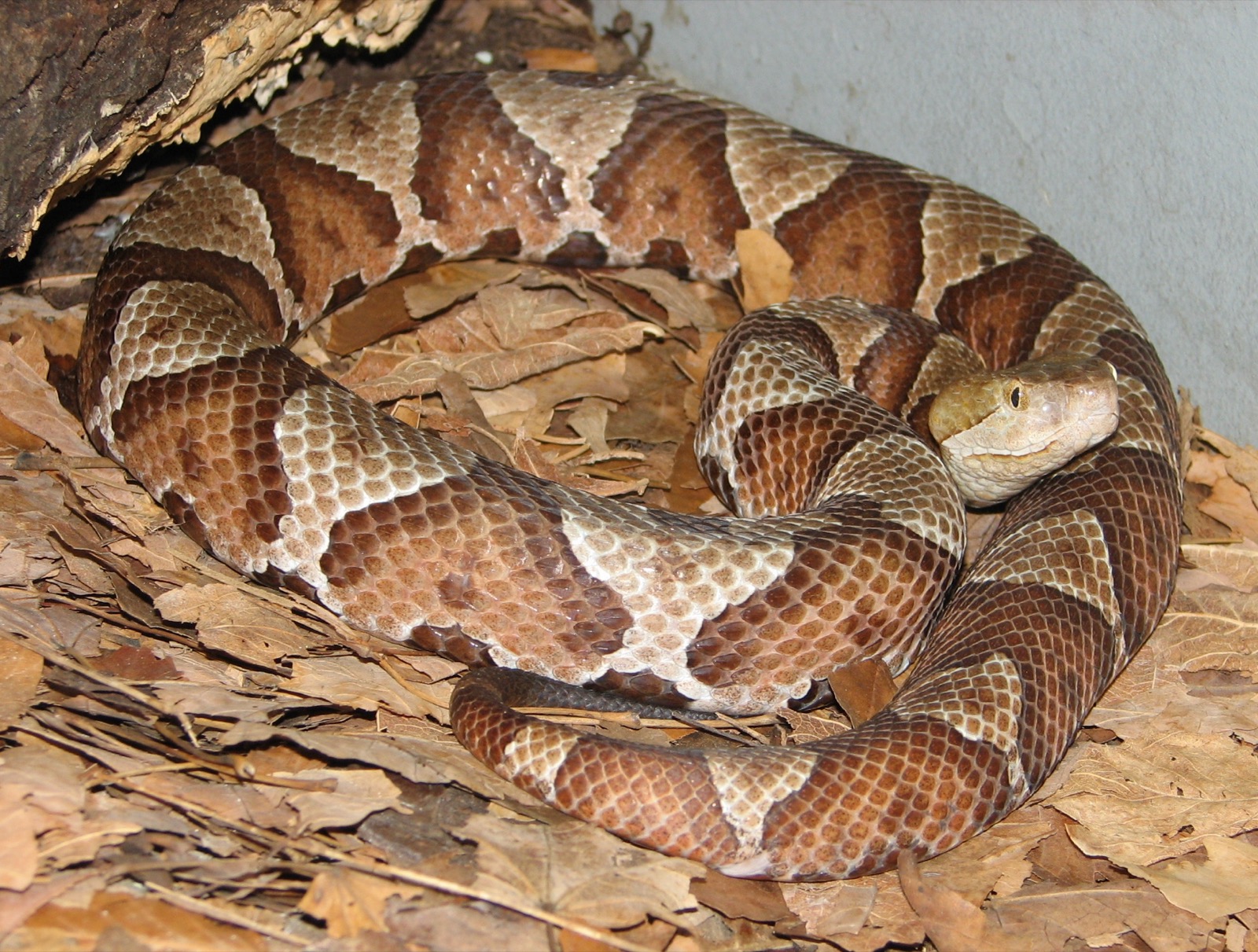
Many campers worry that the warmth of a crackling campfire will draw snakes out of the cold night air and straight toward their campsite. This persistent myth likely stems from a basic understanding of snake biology: because snakes are cold-blooded, people assume they will seek out any nearby heat source. However, in reality, the intense heat, crackling sounds, and rising smoke of a campfire represent danger to a snake rather than an invitation.
While snakes do seek out warmth to regulate their body temperature, they prefer gentle, ambient heat, such as a sun-warmed rock or a patch of soil that has baked in the sun all day. A campfire is far too hot and unpredictable for a snake to safely utilize. Furthermore, the smoke generated by a wood fire is a powerful respiratory irritant and a clear signal of environmental danger, prompting wild animals of all kinds to flee the area rather than approach it.
Beyond the physical properties of the fire itself, the human activity surrounding a campfire is a major deterrent. Snakes are shy, solitary creatures that view humans as massive, dangerous predators. The vibrations from footsteps, the sound of voices, and the constant movement around a campsite create a highly stressful environment for a snake. A snake's primary defense mechanism is to avoid detection, so they will almost always choose to stay hidden in the surrounding brush rather than expose themselves to a group of active humans.
While the fire itself won't attract snakes, certain campsite setups might inadvertently invite them. Food scraps left out by campers can attract mice, rats, and other small rodents, which are primary prey species for many snakes. Additionally, piles of firewood, gear left on the ground, and untidy camp layouts provide excellent temporary hiding spots for a snake looking for shelter. To minimize the chance of an unwanted encounter, it is essential to keep a clean campsite, store food securely, and elevate your gear off the ground.
If you are gathering firewood or moving logs near your campsite, always look before you reach. Snakes frequently hide under fallen logs, bark, and leaf litter where they can remain cool and hidden during the day. When collecting wood, use a stick to turn logs over first, and never stick your hands blindly into dark crevices. If you do spot a snake near your camp, do not attempt to handle, move, or kill it, as most defensive bites occur when humans try to interact with the animal.
If you encounter a snake while camping or hiking, the safest course of action is to step back and give the animal plenty of space to retreat on its own. To help identify the snake and determine if it is a harmless local species or a venomous one, take a clear photograph from a safe distance and let SerpentID compare its markings against likely species in your area. In the rare event of a bite from a venomous snake, do not attempt any wilderness first aid myths like cutting or sucking the wound; instead, keep the victim calm and seek professional medical help immediately.