


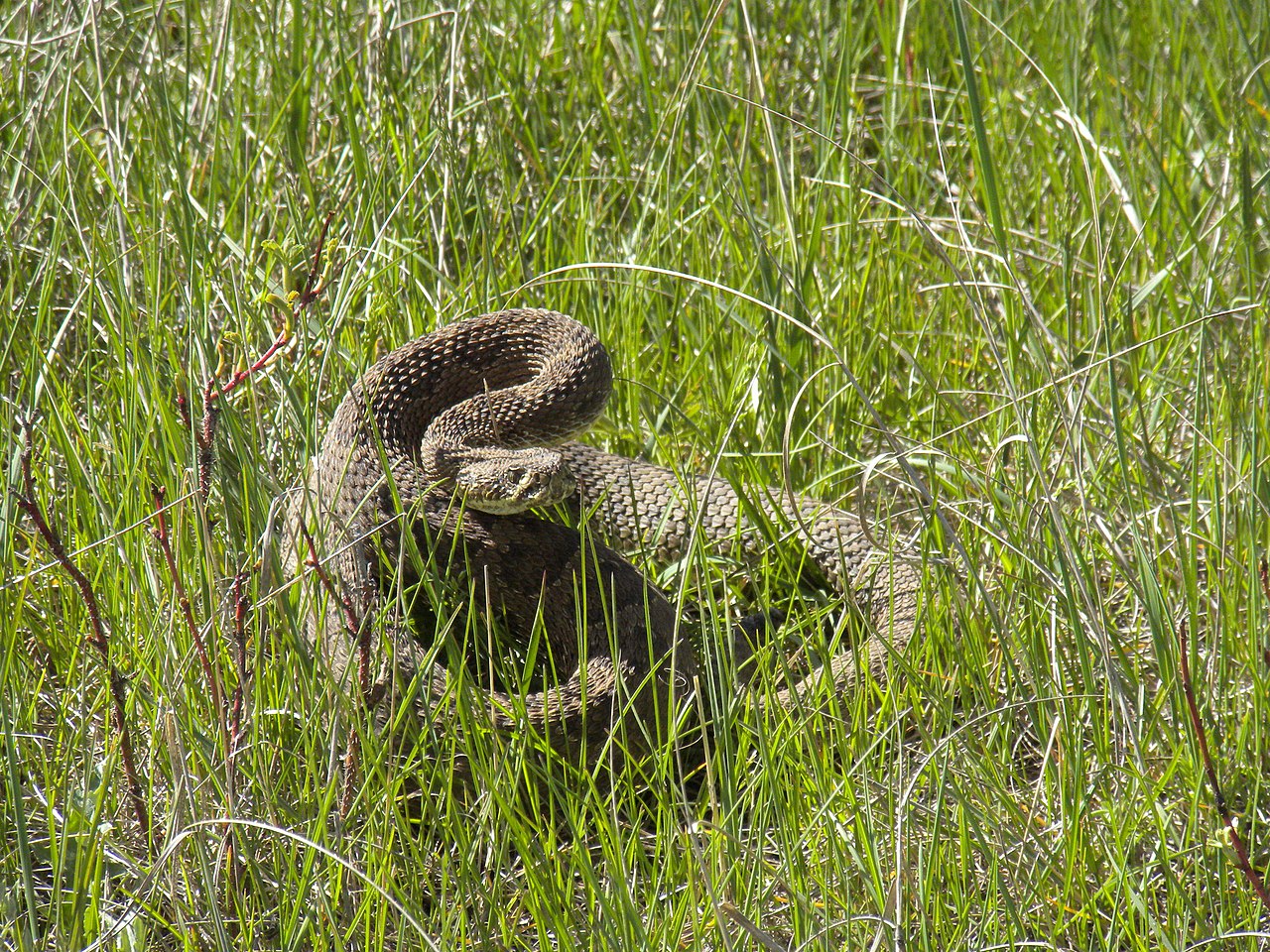
The idea of an "aggressive" snake that actively seeks to attack humans is a persistent myth, often fueled by sensational stories and a natural human fear of the unknown. In reality, true aggression—meaning an unprovoked attack with intent to harm—is exceedingly rare in snakes. Snakes are generally shy, reclusive creatures whose primary instinct when encountering a larger animal, including a human, is to escape unnoticed. Their every action is typically driven by survival, which means conserving energy and avoiding injury.
What people often interpret as aggression is almost always a display of defensive behavior. When a snake feels threatened, cornered, or surprised, it may resort to a range of defensive tactics. These can include hissing loudly, flattening its body to appear larger, striking out, coiling into a defensive posture, or even performing "bluff" strikes with a closed mouth. Some species, like hognose snakes, will even play dead. All these behaviors are clear warning signals, intended to deter a perceived threat and give the snake an opportunity to retreat.
The motivation behind these defensive actions is simple: self-preservation. Snakes are vulnerable prey animals in many environments, and they lack limbs to fight or fend off larger predators. A bite is an energetically costly and potentially dangerous last resort. They do not want to waste venom on something they cannot eat, nor do they want to risk injury in a fight. Therefore, a snake will almost always choose to flee or remain still and camouflaged if given the option, using its defensive displays only when it feels its life is in immediate danger.
Bites typically occur when a snake is startled or feels trapped. This might happen if someone accidentally steps on one, reaches into an unseen spot where a snake is resting, or attempts to handle or harass it. Many bites are "dry bites" where no venom is injected, as the snake is primarily trying to deliver a warning rather than envenomate. However, even a dry bite can be painful and lead to infection, emphasizing the importance of respecting a snake's space and understanding its signals.
The myth of snakes "chasing" people is another common misconception tied to perceived aggression. While a snake might rapidly move towards an escape route that appears to be in your direction, or a defensive strike might be a quick lunge, these are not acts of pursuit. Snakes are not interested in chasing humans; they are focused on getting away from perceived danger. Any rapid movement by a snake in your vicinity is almost certainly an attempt to find safety, not to engage in a confrontation.
The best approach when encountering a snake is to give it ample space. If you see a snake, remain calm, slowly back away, and allow it to move off on its own. Do not attempt to approach, touch, or provoke it. Most snakes will quickly retreat once they no longer feel threatened. Maintaining a respectful distance is key to ensuring both your safety and the snake's well-being, allowing these vital creatures to continue playing their role in the ecosystem.
If you encounter a snake and are unsure of its identity, or if it's in a location where it poses a risk, the safest course of action is always to observe it from a distance. Take a clear photograph without getting too close, and use the SerpentID app to compare its markings against local species. If it is identified as venomous and is in a confined or dangerous area, contact your local wildlife services or a professional snake handler for safe removal. Never attempt to handle a snake yourself. If a bite occurs, seek professional medical help immediately.