


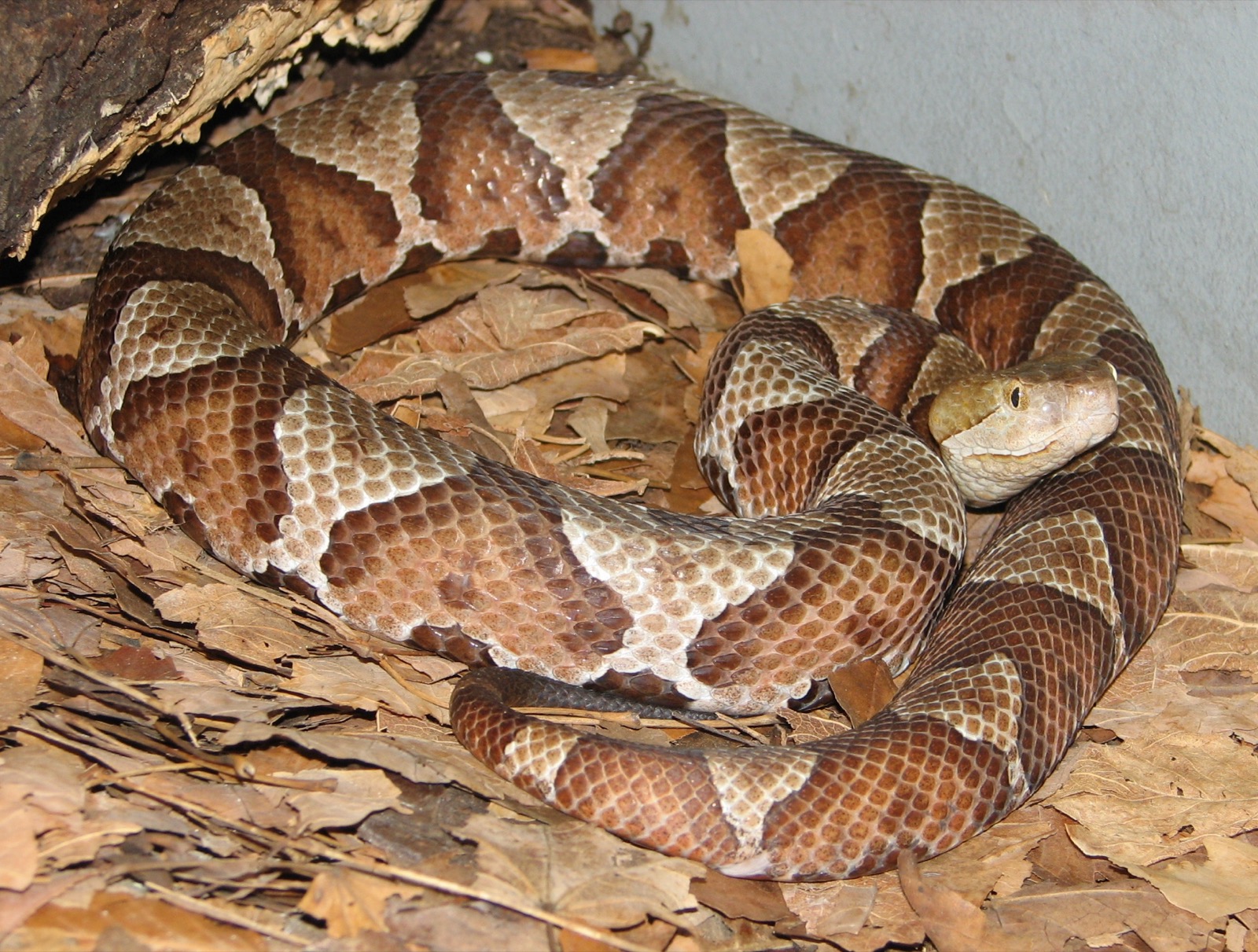
Few backyard animals get as much credit online as the Virginia opossum. Social media posts often describe it as a snake-proof bodyguard that wanders your yard eating copperheads and shrugging off rattlesnake bites. Like many wildlife stories, this one starts with real science and then drifts into exaggeration. The short answer is that opossums are not immune to snake venom in an absolute sense, but they are strikingly resistant to the venom of the pit vipers they share habitat with. That resistance is real, well documented, and still nowhere near the same thing as a guaranteed snake-free yard.
The resistance comes from the opossum's blood. Researchers have known since the mid-twentieth century that Virginia opossums survive doses of pit viper venom that would be lethal to many other mammals of similar size. Later work identified proteins in opossum serum that bind to and neutralize venom components, including a protein often called lethal toxin-neutralizing factor and others that inhibit the enzymes in pit viper venom that damage tissue and cause bleeding. In practical terms, when a rattlesnake, copperhead, or cottonmouth bites an opossum, much of the venom's most destructive action is blunted before it can do serious harm. Scientists have even studied these proteins as a possible model for future antivenom treatments, though that research is still at an early stage.
Resistance has limits, and this is where the myth goes wrong. Most of the evidence centers on North American pit vipers, the snakes opossums have lived alongside for a very long time. Venom from unrelated snakes, such as the neurotoxic elapids that include coral snakes, cobras, and kraits, works through different mechanisms, and there is far less evidence that opossums handle those venoms as well. Even with pit vipers, a large dose, a bite to a vulnerable spot, or a young or sick animal can still lead to injury or death. Resistance tilts the odds; it does not make an opossum invincible.
Opossums also do eat snakes, but not nearly as often as the internet suggests. They are classic opportunistic omnivores that eat insects, snails, slugs, carrion, fruit, eggs, small rodents, pet food, and garbage. A snake is simply one more possible meal, usually a small one, and an opossum is just as likely to eat a harmless garter snake or brown snake as a venomous one. Studies of opossum diets show snakes making up a small share of what they eat. Expecting opossums to clear venomous snakes from your property is a bit like expecting a raccoon to manage your mouse problem: it might happen occasionally, but it is not a plan.
There is also a practical downside to encouraging opossums as snake control. Leaving out pet food, unsecured trash, or fallen fruit to attract them also attracts rodents, and rodents are one of the main reasons snakes visit yards in the first place. The better approach is the same one that works regardless of what wildlife lives nearby: reduce clutter, woodpiles, and dense cover close to the house, keep grass trimmed, store feed in sealed containers, and seal gaps around foundations and doors. Opossums can be welcome, quiet neighbors, but they are not a substitute for good habitat management. For readers in Australia and India, it is worth noting that Australian possums are a completely different group of marsupials with no comparable reputation, and India has no opossums at all.
Opossums are not the only animals with some venom resistance. Mongooses, honey badgers, hedgehogs, and certain ground squirrels have all evolved varying degrees of protection against the snakes they encounter, each through its own biological route. None of that resistance carries over to people or pets. If you or anyone in your household is bitten by a snake, seek professional medical help immediately, and for a bitten dog or cat, get to a veterinarian right away rather than waiting to see whether the animal is one of the lucky ones.
If you spot a snake in your yard, whether an opossum has been around or not, the safest move is to keep your distance and let the snake go about its business. Photograph it from a safe distance and let SerpentID compare its markings against the species most likely to live in your area, so you know whether you are looking at a harmless rat snake or a copperhead. If it turns out to be venomous and is near your home, contact your local wildlife services or a licensed snake removal professional rather than trying to move it yourself.