


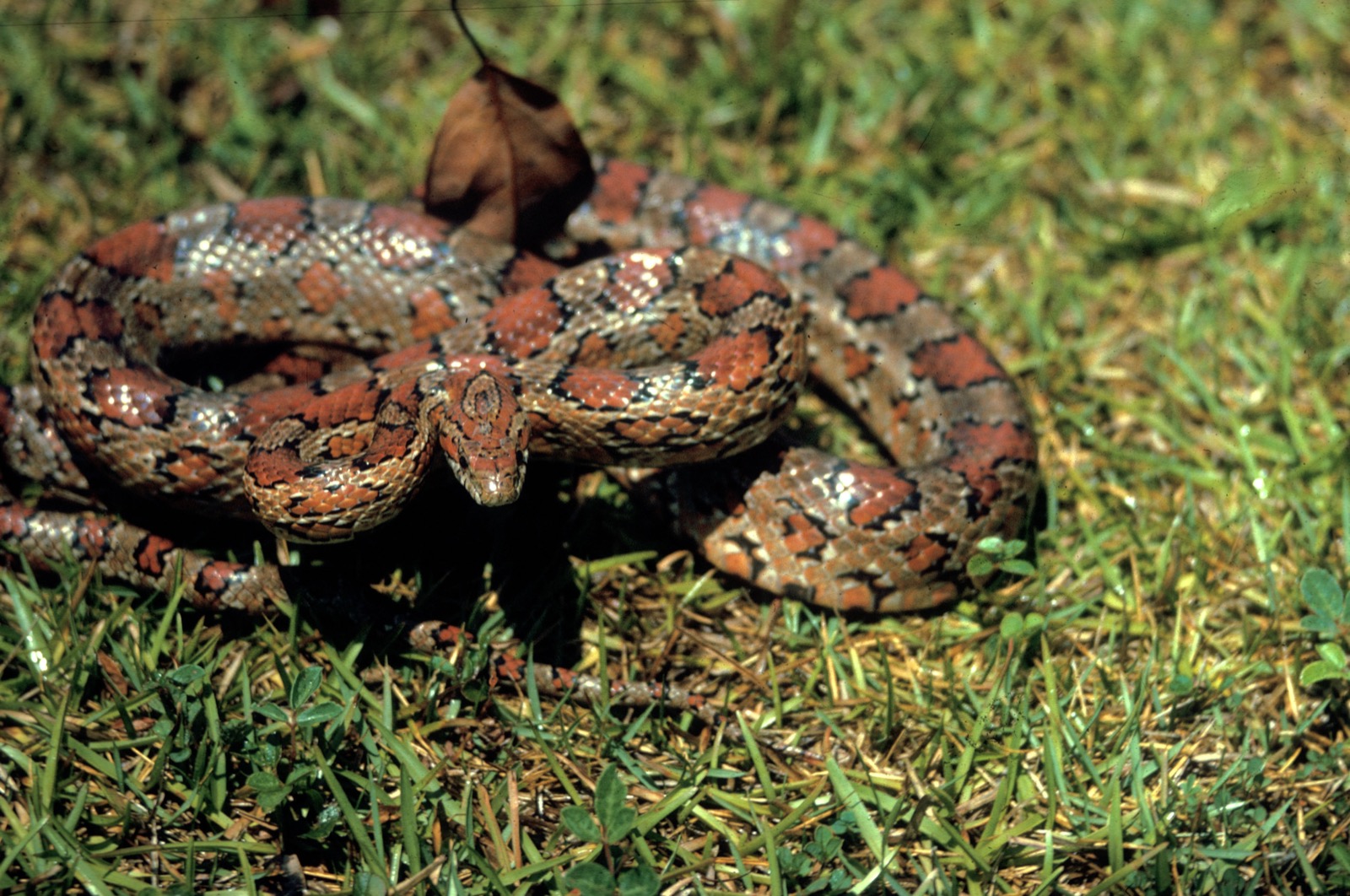
It's a deeply ingrained fear for many: the sight of any snake immediately triggers the thought of venom, danger, and a potentially deadly encounter. This widespread misconception, often fueled by media and cultural narratives, leads many to believe that all snakes are venomous. The truth, however, is far less alarming. Globally, the vast majority of snake species are non-venomous, playing crucial roles in their ecosystems without posing any significant threat to humans. Understanding this fundamental fact is the first step in separating fear from reality when encountering these fascinating reptiles.
To properly address this myth, it's important to understand the distinction between venomous and non-venomous. A venomous snake produces modified saliva, or venom, which it injects into its prey or attacker through specialized fangs. This venom serves to immobilize prey and aid in digestion. Non-venomous snakes, on the other hand, either do not produce venom or their venom is not harmful to humans, and they lack the specialized fangs for injection. They typically rely on constriction, strong jaws, or simply biting to subdue prey. It's also worth clarifying that snakes are venomous, not poisonous; poisonous animals are harmful if ingested or touched, while venomous animals deliver their toxins via a bite or sting.
Across the United States, Australia, and India, countless species of non-venomous snakes are common residents of our landscapes. In the US, familiar examples include garter snakes, rat snakes, king snakes, and corn snakes, all of which are harmless to humans and often prey on rodents and insects. Australia, renowned for its venomous species, also boasts numerous harmless pythons and tree snakes. Similarly, in India, rat snakes, keelbacks, and many other species are non-venomous. These snakes are vital components of their local food webs, often acting as natural pest controllers, benefiting agriculture and public health by keeping rodent populations in check.
The pervasive fear that all snakes are venomous likely stems from a combination of factors. Humans have an innate, evolutionary predisposition to be wary of snakes, a trait that helped our ancestors survive. This instinct, combined with sensationalized media portrayals and a general lack of education about snake biology, contributes to the widespread belief that every snake is a potential threat. This 'better safe than sorry' mentality, while understandable, often leads to unnecessary fear and, sadly, the unprovoked killing of countless harmless snakes.
While the majority of snakes are non-venomous, it is crucial to recognize that venomous species do exist and can be dangerous. Identifying venomous snakes often involves recognizing specific families or groups, such as pit vipers (rattlesnakes, copperheads, cottonmouths) and elapids (cobras, kraits, coral snakes). However, relying on simple visual cues like head shape or pupil shape can be misleading, as many non-venomous snakes mimic these features, and some venomous snakes don't fit the common stereotypes. Reliable identification requires careful observation of multiple characteristics, and these can vary significantly by region.
Far from being inherently aggressive, most snakes are shy, reclusive creatures that prefer to avoid human contact. When they do encounter humans, their primary instinct is to escape. If escape isn't possible, they may resort to defensive behaviors like hissing, bluffing, or striking as a last resort. Non-venomous snakes, even when biting defensively, typically cause only minor wounds, whereas a bite from a venomous snake requires immediate medical attention. Understanding their true nature helps foster a more respectful and less fearful coexistence.
When you encounter a snake, the safest and most responsible approach is to assume it could be venomous and maintain a respectful distance. Do not attempt to approach, handle, or kill it. Instead, if you can safely capture a clear photograph from a distance, the SerpentID app can help you compare its markings against likely local species. If you identify a known venomous species, or if you are unsure and feel threatened, contact your local wildlife services or a professional snake removal expert. Allowing these creatures to live undisturbed is not only safer for you but also vital for maintaining healthy ecosystems.