


The sight of a snake can trigger an immediate sense of alarm for many, often accompanied by the question: "Is it poisonous?" This common query reveals a widespread misconception that all snakes are inherently dangerous due to some form of toxicity. The truth, however, is far more nuanced and reassuring. The vast majority of snake species encountered in the United States, Australia, India, and globally are non-venomous, posing no threat beyond a defensive bite should they feel cornered. Furthermore, the term "poisonous" is almost always incorrectly applied to snakes.
To clarify, it's crucial to understand the distinction between "venomous" and "poisonous." A venomous animal delivers toxins by injecting them, typically through fangs or stingers. In the case of snakes, venom is a complex cocktail of proteins and enzymes produced in specialized glands and delivered through hollow fangs during a bite. This sophisticated mechanism is primarily used to immobilize or kill prey, and secondarily as a defense against perceived threats. Examples include rattlesnakes, cobras, and vipers, all of which inject venom.
A poisonous animal, on the other hand, delivers toxins when it is ingested or absorbed through skin contact. Think of a poisonous mushroom, which harms you if you eat it, or a poison dart frog, whose skin secretions are toxic to touch. True poisonous snakes are exceedingly rare. Some garter snake species can sequester toxins from poisonous newts they eat, making them mildly toxic if ingested, but they do not produce their own poison and are not venomous. Certain sea snakes have toxic skin secretions, but their primary defense and prey-capture mechanism is still venom delivered through a bite. Therefore, the danger from snakes almost exclusively comes from venom, not poison.
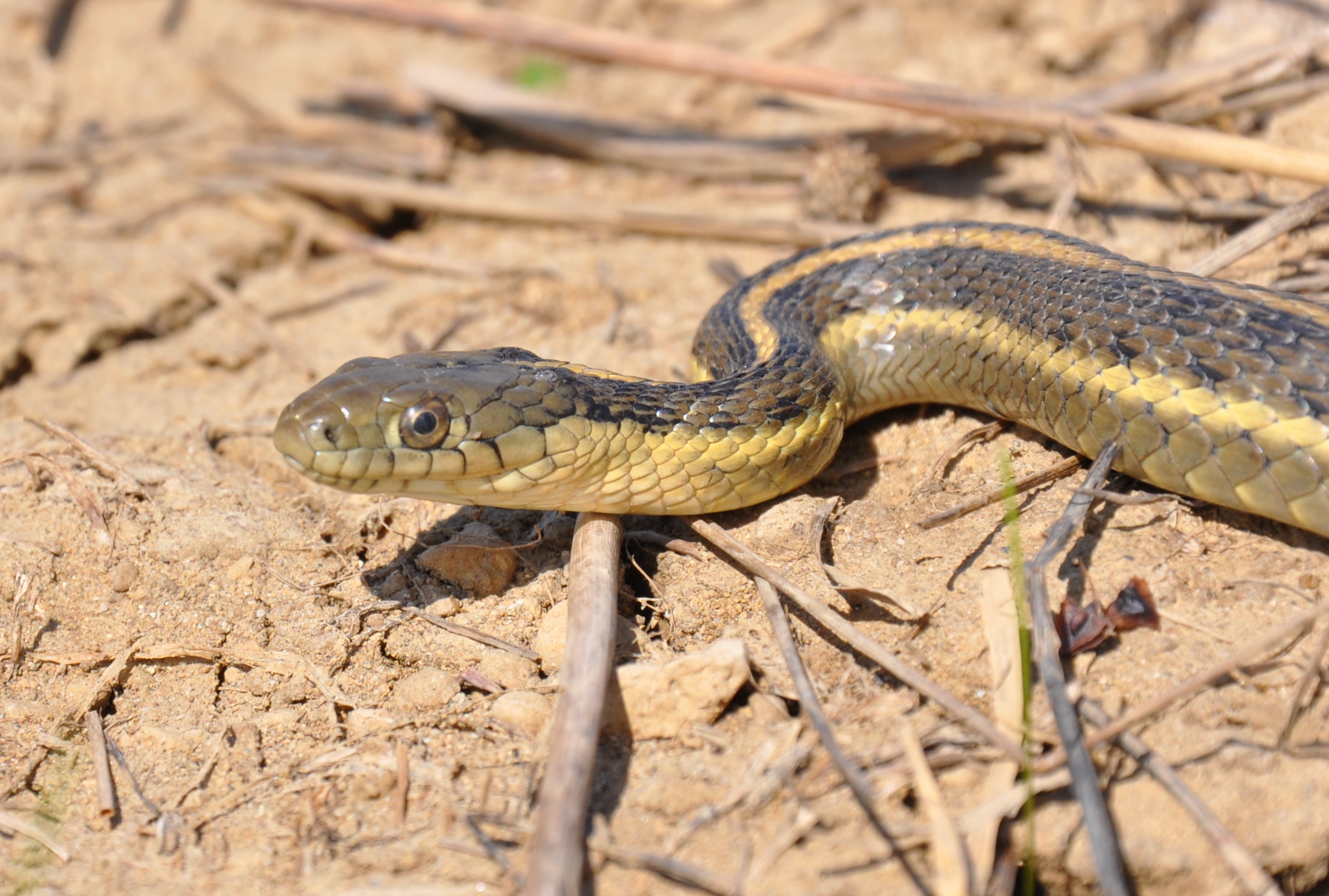
With this distinction in mind, it's important to recognize that the vast majority of the world's approximately 3,900 snake species are non-venomous. These snakes play vital roles in their ecosystems, often controlling rodent and insect populations. Species like garter snakes, rat snakes, and king snakes are common examples of non-venomous reptiles that are frequently encountered in residential areas and natural habitats across various continents. Their presence is generally beneficial, and they are typically shy, preferring to avoid human interaction.
The widespread confusion and use of "poisonous" instead of "venomous" likely stems from a combination of factors: historical language use, a general fear of snakes, and a lack of specific biological knowledge. Media portrayals often contribute to this by sensationalizing snake encounters and blurring the lines between harmless and dangerous species. This blanket assumption that all snakes are perilous not only fosters unnecessary fear but also leads to the unfortunate and often illegal killing of harmless animals.
For your safety and the well-being of these animals, it is vital to approach every snake encounter with respect and caution, but without undue panic. Understanding that most snakes are not venomous can help you maintain a calm demeanor, which is crucial for making good decisions. Rather than assuming the worst, recognize that the snake you see is likely just passing through or seeking shelter, and is almost certainly more interested in avoiding you than confronting you.
When you do encounter a snake, the safest approach is always to observe it from a distance. Never attempt to handle, harass, or kill any snake, regardless of whether you believe it to be venomous or not. If you are concerned about a snake's presence and need to identify it, take a clear photograph from a safe distance. You can then use the SerpentID app to compare its markings against local species. If the snake is identified as venomous, or if you cannot identify it and have concerns, contact your local wildlife services or a professional snake removal expert for safe assistance. Always seek professional medical help immediately if a bite occurs.