


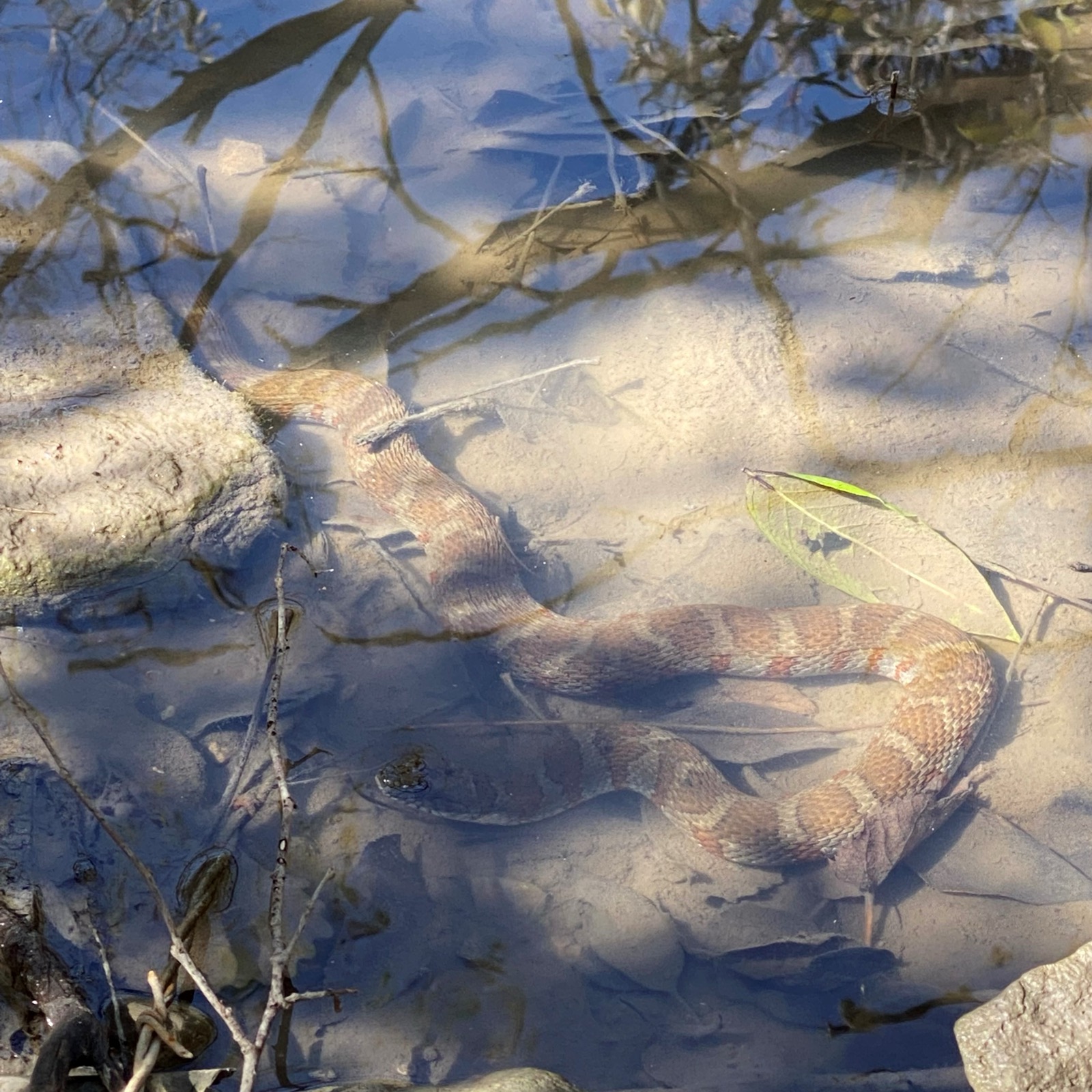
Do snakes come out after rain is a real concern in many regions because flooding pushes ground-dwelling snakes out of burrows and brush piles, warm pavement dries before grass and pulls snakes onto driveways and bike paths, frog and worm activity spikes along puddles, and a humid window after a storm lines up with comfortable surface temperatures for cold-blooded movement. Pause the after-storm yard walk, keep children and pets on the porch for a few minutes, and do not step off the path into wet grass until the area is visibly clear from a careful look at the ground.
Do not stride quickly across the lawn to check for storm damage, kick puddles to drain them faster, sweep flooded mulch with bare hands, or step over a wet fallen branch without looking on both sides. Wet conditions hide body direction against dark soaked wood, soaked leaves, and reflective puddles where a thin snake's color blends in, and a quick step can land directly on top of an animal that crawled out of a flooded burrow for higher ground.
Rain pushes snakes out indirectly through water filling underground tunnels and tree-root cavities, prey movement as worms surface and frogs gather near runoff, warm asphalt that holds heat after a cool storm, debris dams along fence lines that create new shelter, and cluttered storm-flooded mulch beds that look like familiar leaf litter. Yards with poor drainage, low spots near foundations, brush piles along property lines, and unmaintained drainage swales tend to see the most surface activity in the hours after heavy rain.
If you spot a snake after a storm, take one photo from outside striking distance and include the wet ground around it, any visible drain or burrow entrance, and the body pattern against the soaked surface. Do not crouch in tall wet grass for a closer angle or follow the snake to a fence line for a better backdrop. A wider scene gives SerpentID enough markings to compare while keeping a safe gap between your boots and the animal as it works toward drier cover.
SerpentID can help compare visible markings, but post-rain walks should stay conservative because the next normal action is reaching down to pick up a fallen branch or check a clogged drain where body direction is hidden by leaves. If the app suggests a venomous possibility, the snake disappears into a flooded burrow, or you find shed skin or multiple sightings in one afternoon, contact local wildlife help and stay on hard surfaces. Afterward, grade low spots to drain faster, clear brush piles and storm debris promptly, fit downspouts with extensions away from the foundation, and walk the yard with a flashlight and boots for the first night after any heavy storm.